
Category

news

2026 DIGISPORT WINTER SCHOOL: PHOTO RECAP

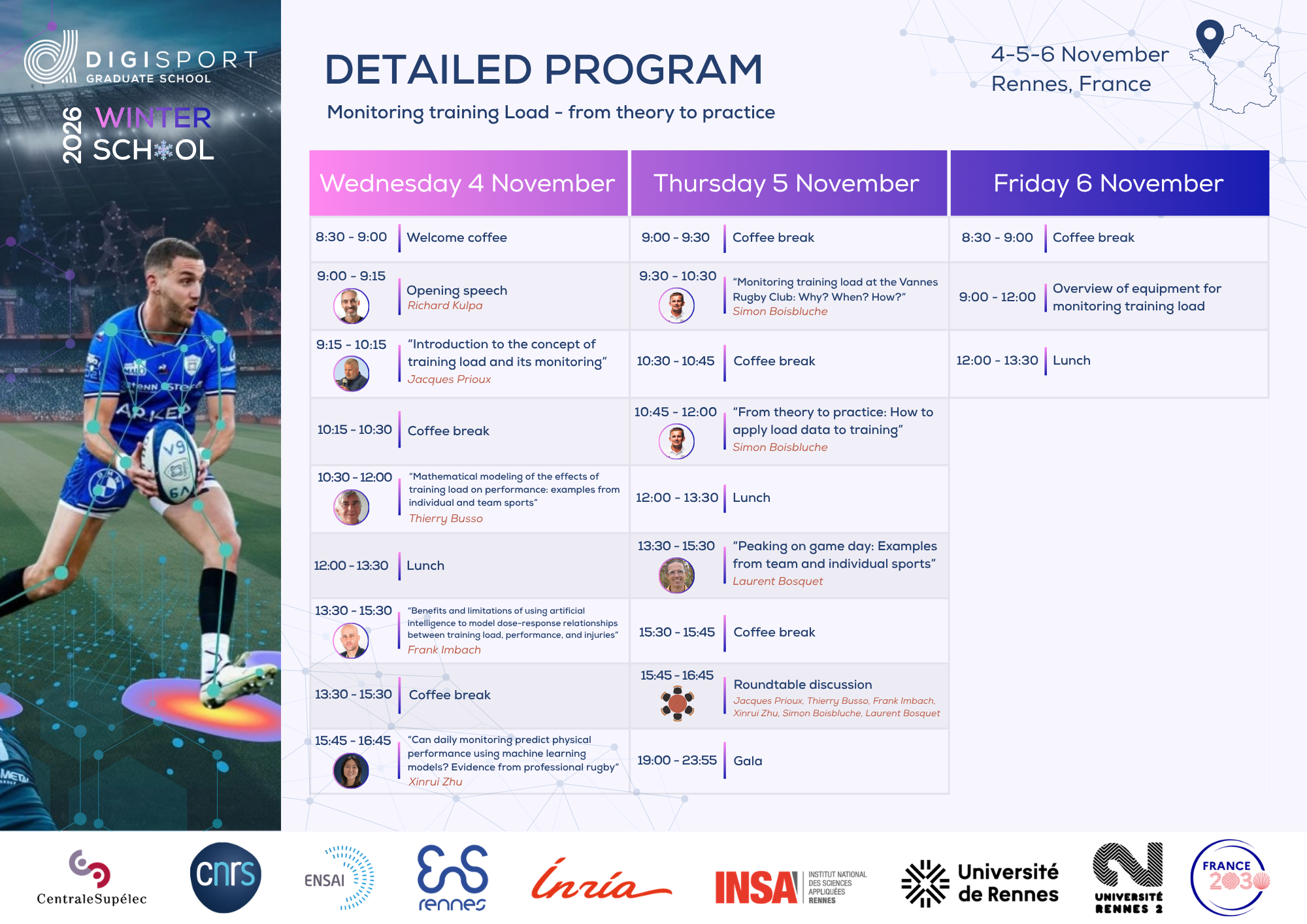
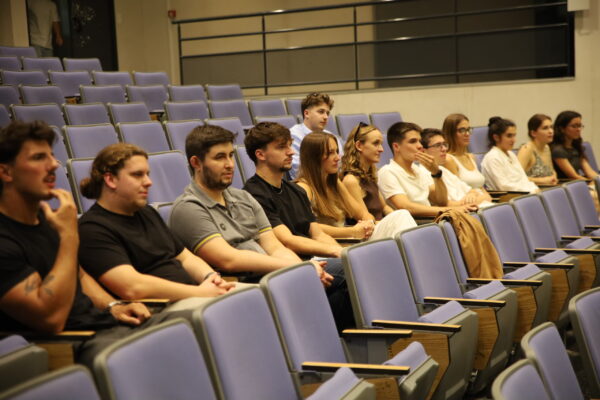
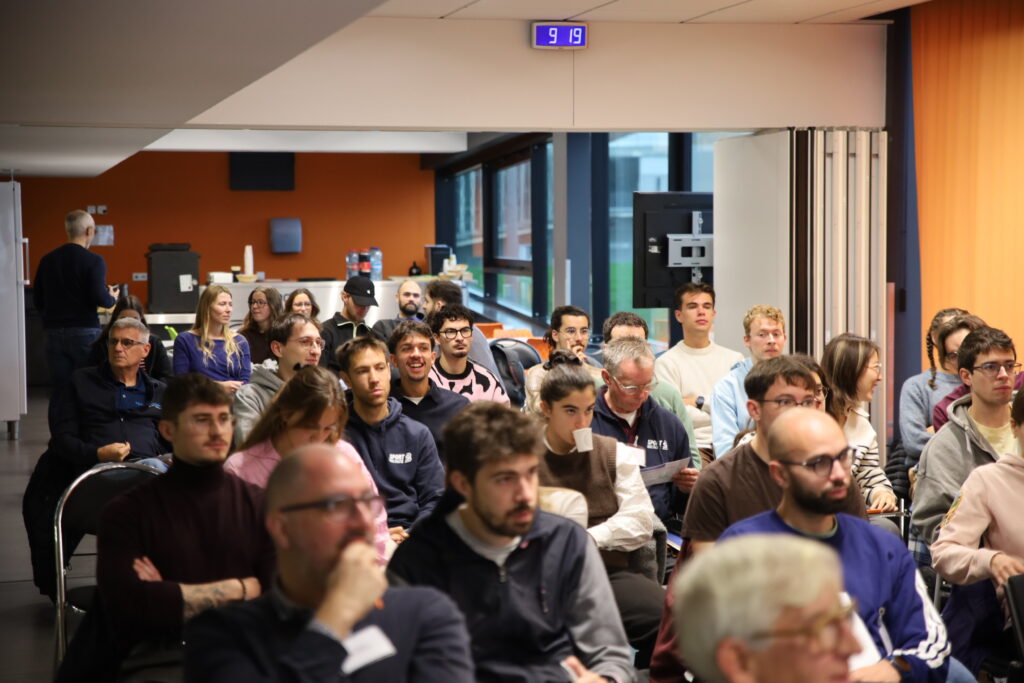
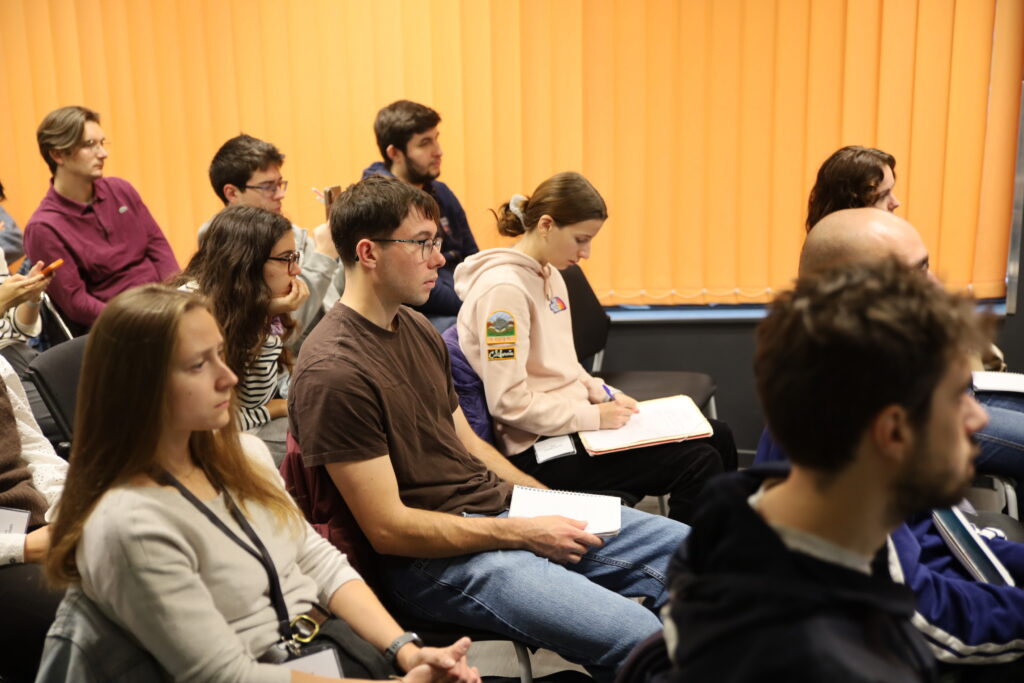
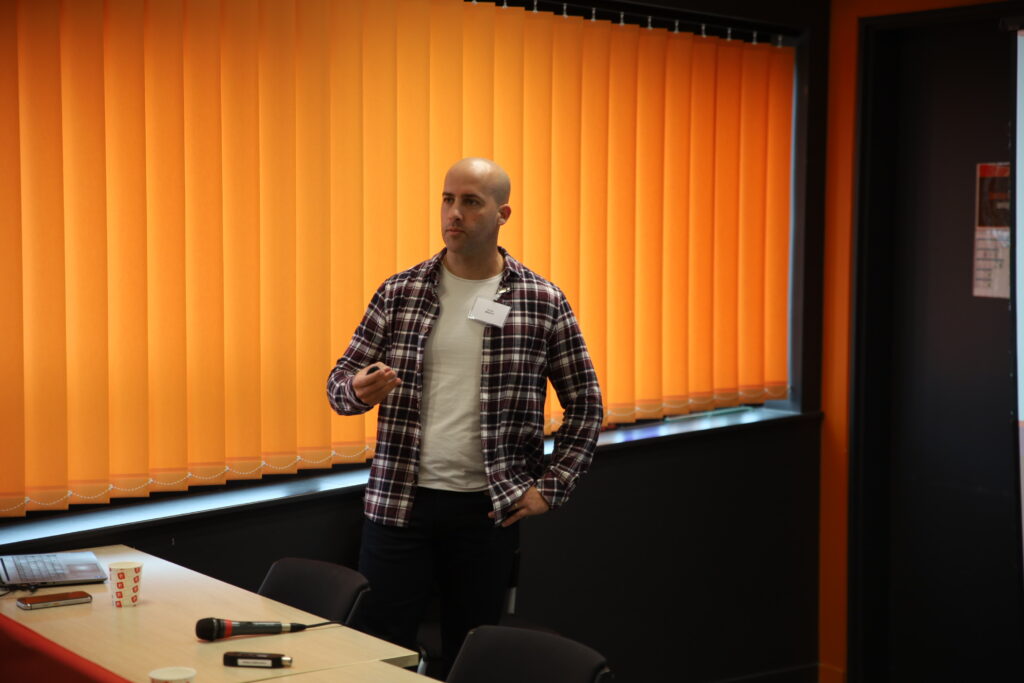
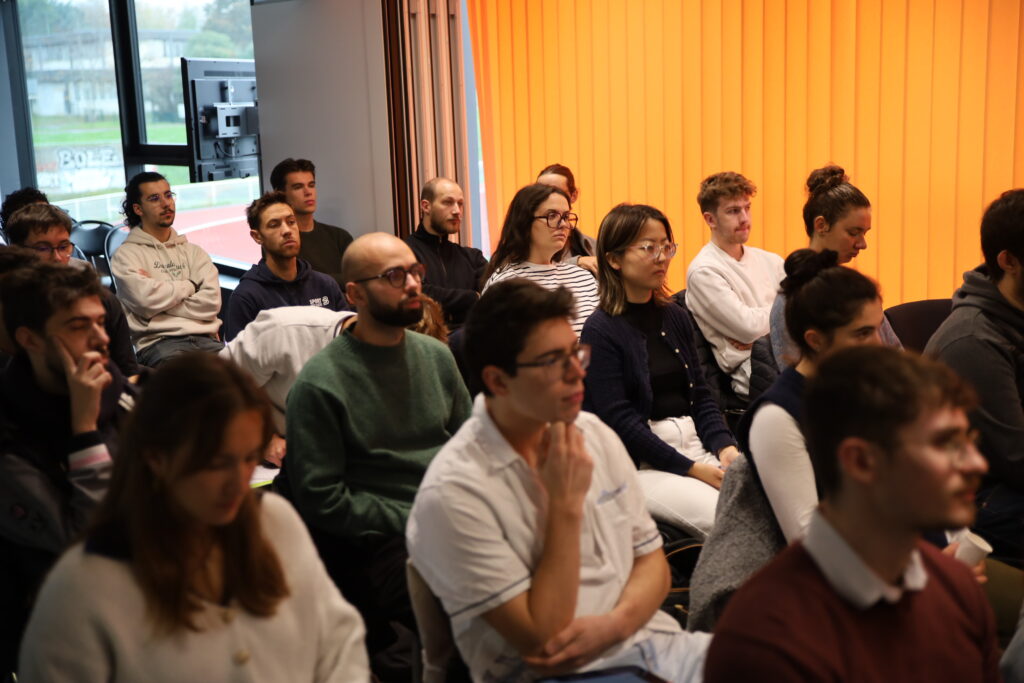
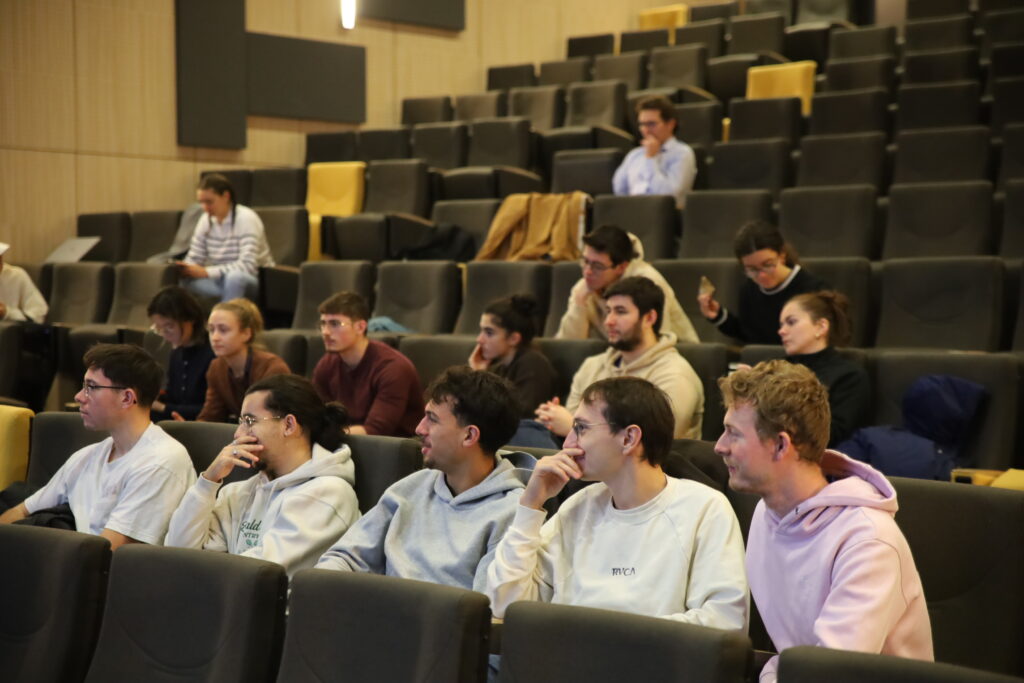
From November 4 to 6, the third edition of the DIGISPORT Winter School took place, focusing on the theme of training load monitoring.

WEDNESDAY, NOVEMBER 4:

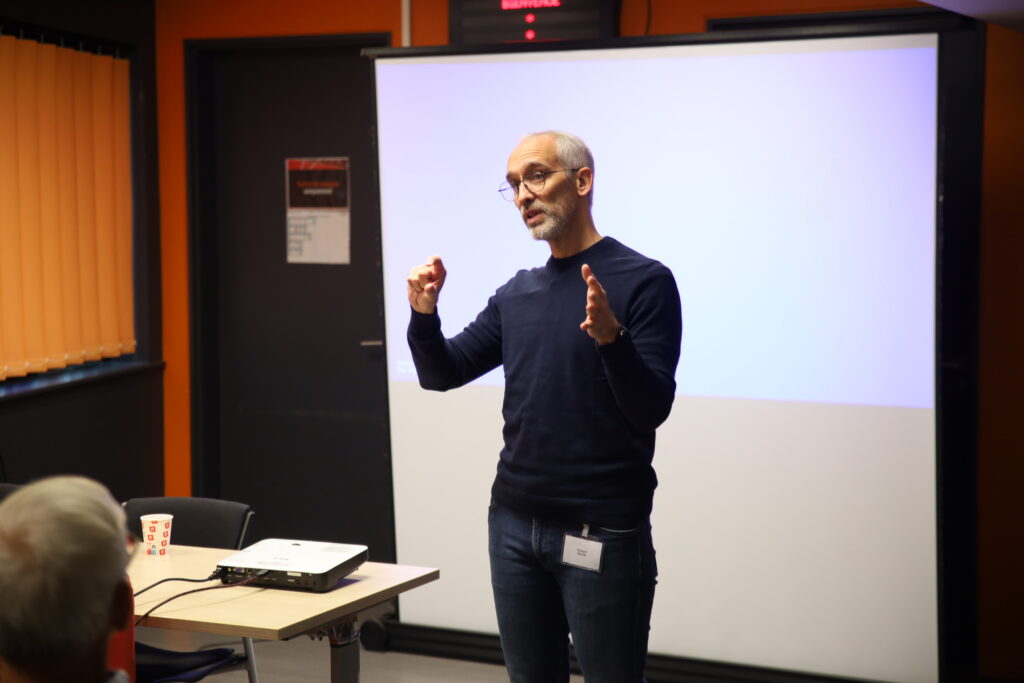
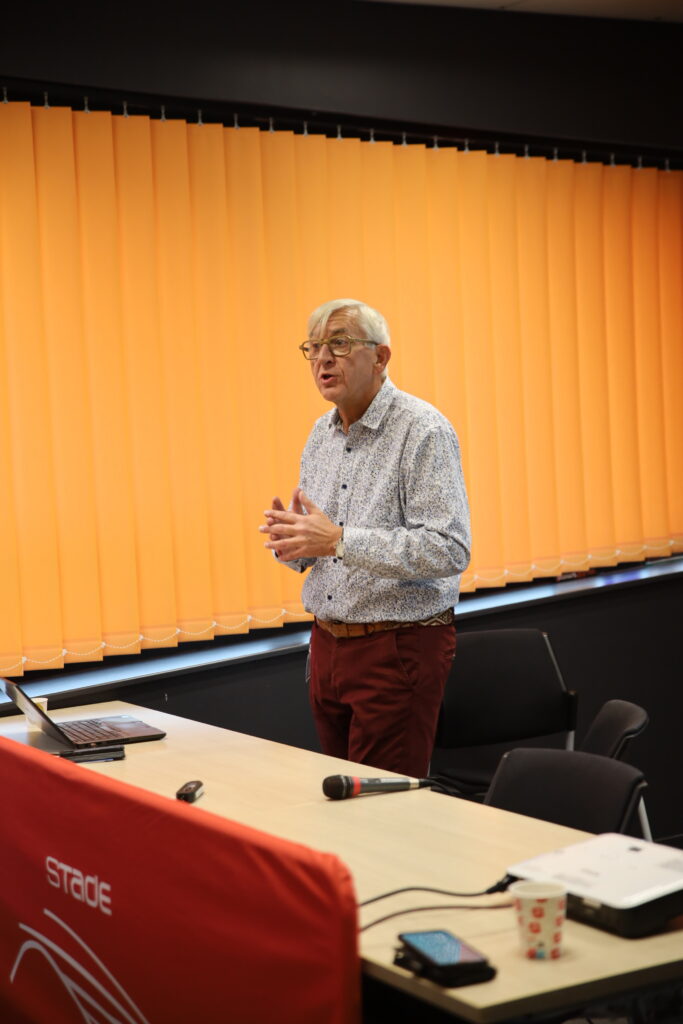
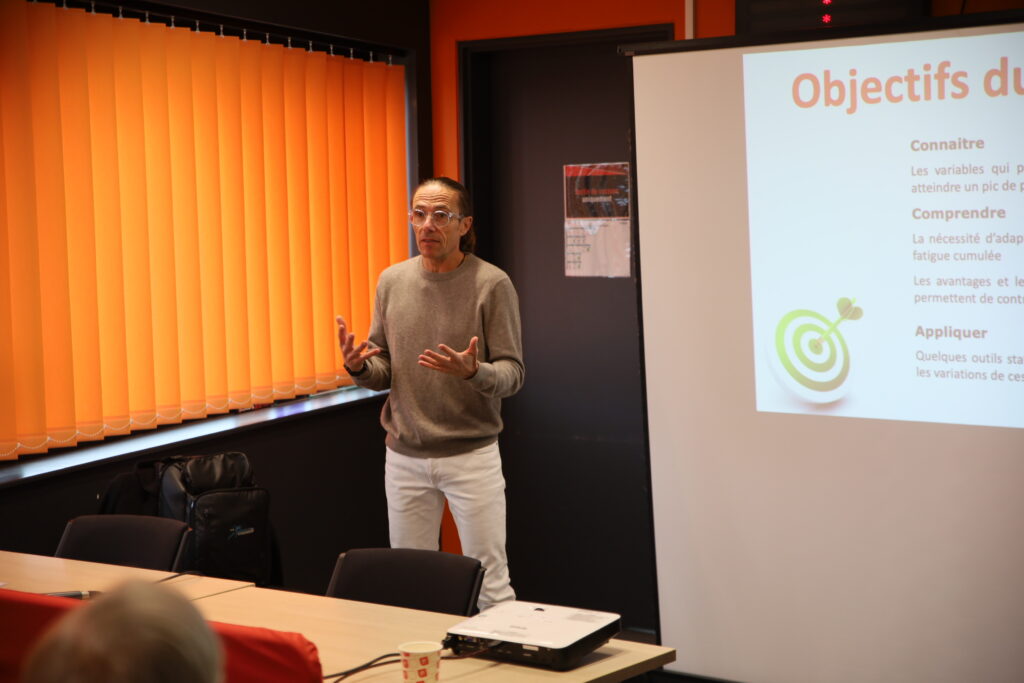
The first day opened with a brief presentation of EUR DIGISPORT by its head, Richard Kulpa. This was followed by a talk from Jacques Prioux, co-organizer of this Winter School alongside the DIGISPORT team. He laid the theoretical foundations for this edition by clarifying the concept of training load, while detailing current methods for measuring, quantifying, and analyzing it in the field.

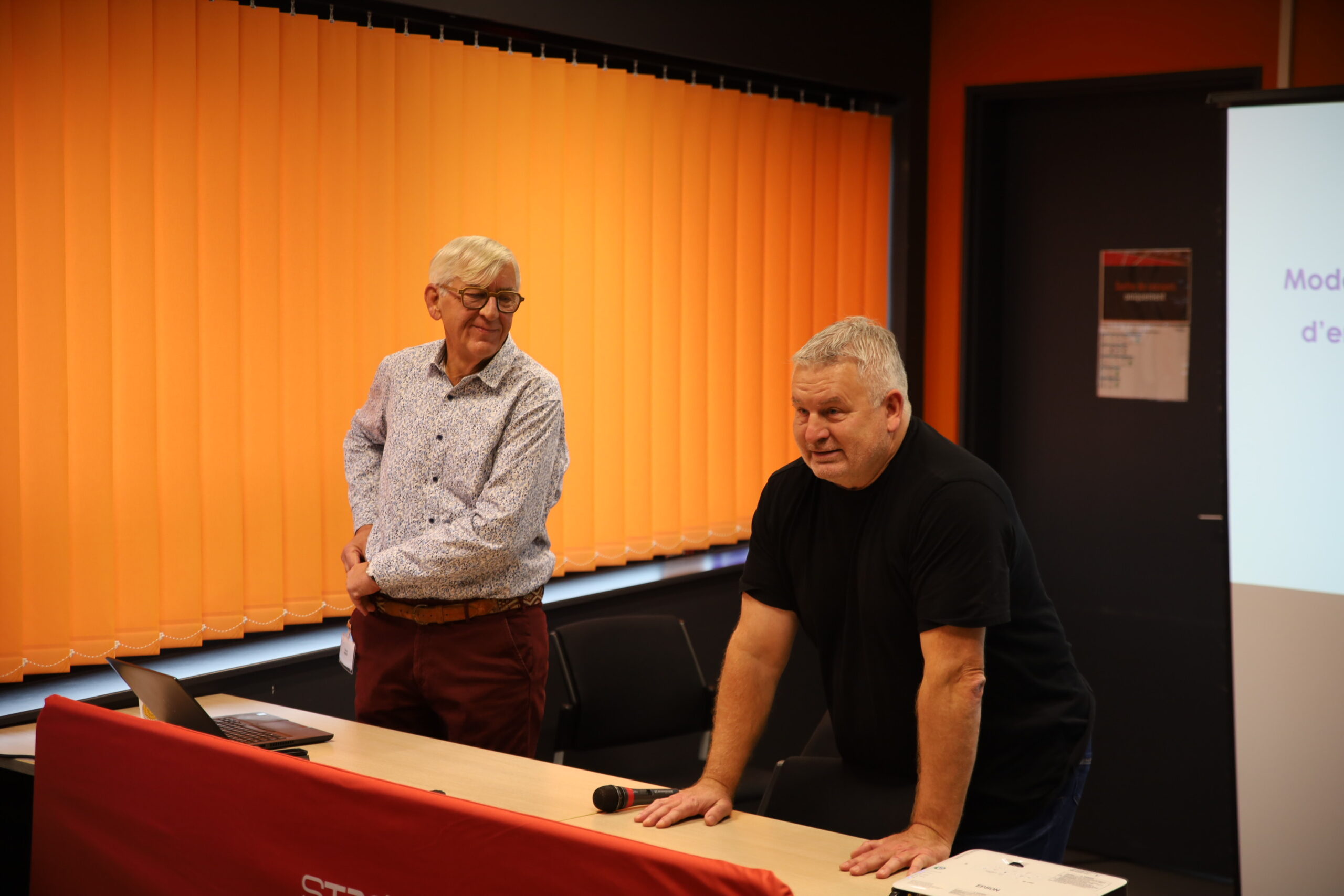
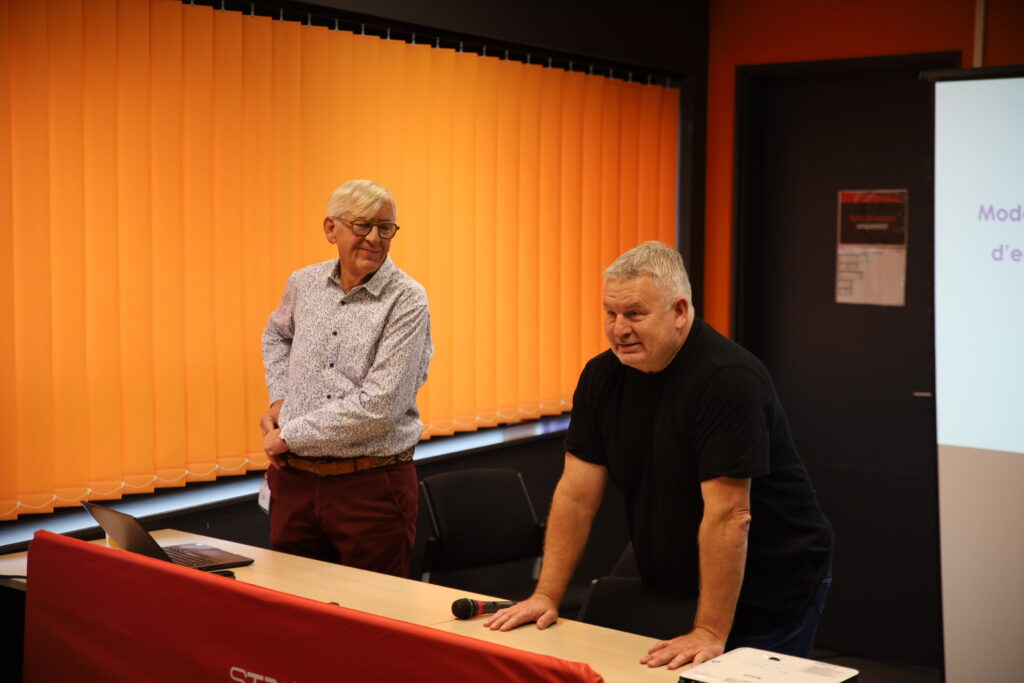
A specialist in the dose-response relationship, Thierry Busso then explored mathematical approaches derived from the Banister model to predict performance, optimize pre-competition tapering, and adjust programming, while also highlighting the practical limitations of these tools for coaches.

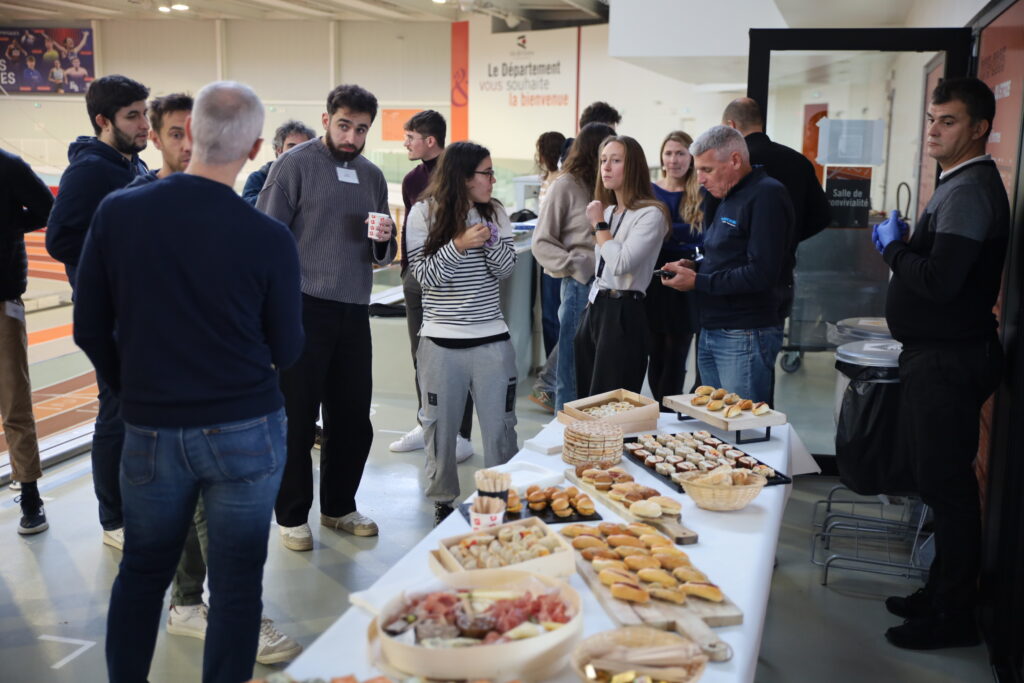
Following a buffet lunch that sparked great discussions, the afternoon began with a presentation by Frank Imbach on the contribution of AI in modeling dose-response relationships. This provided a welcome perspective on both the strengths and the methodological barriers of AI applied to performance tracking and injury risk.

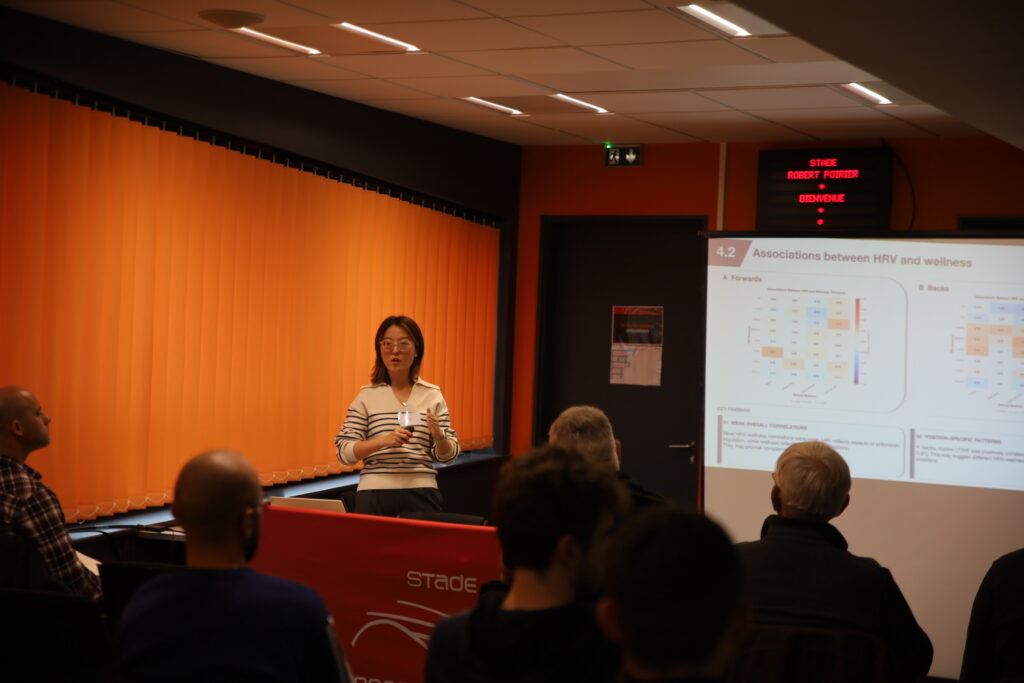
To conclude the day, Xinrui Zhu shared work on the integration of internal and external loads (GPS, HRV, wellness questionnaires) using machine learning. This showcased a practical, data-driven approach conducted over a full season to anticipate the physical evolution of players.

THURSDAY, NOVEMBER 5:

The second day kicked off with a talk by Laurent Bosquet, who provided the keys to designing and optimizing a personalized tapering strategy. He relied on scientific data and essential control variables, particularly the precise assessment of pre-taper fatigue to target optimal peak performance.

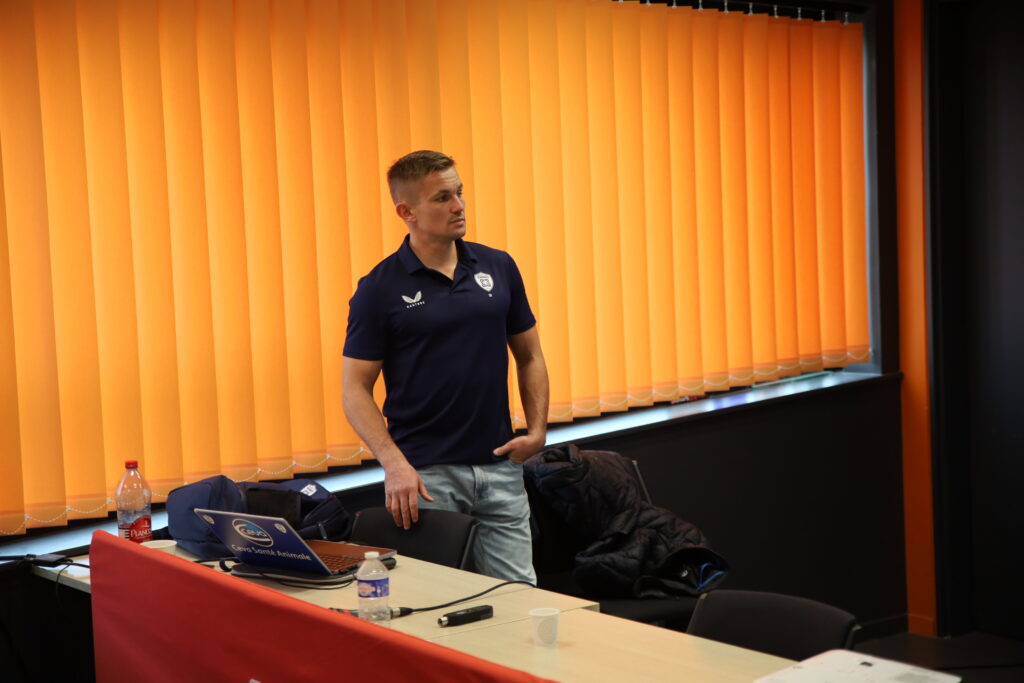
After a time for networking and socializing, Simon Boisbluche opened the afternoon with a lecture dedicated to training load monitoring within the Rugby Club Vannes, as well as the practical, daily integration of these data on the pitch.

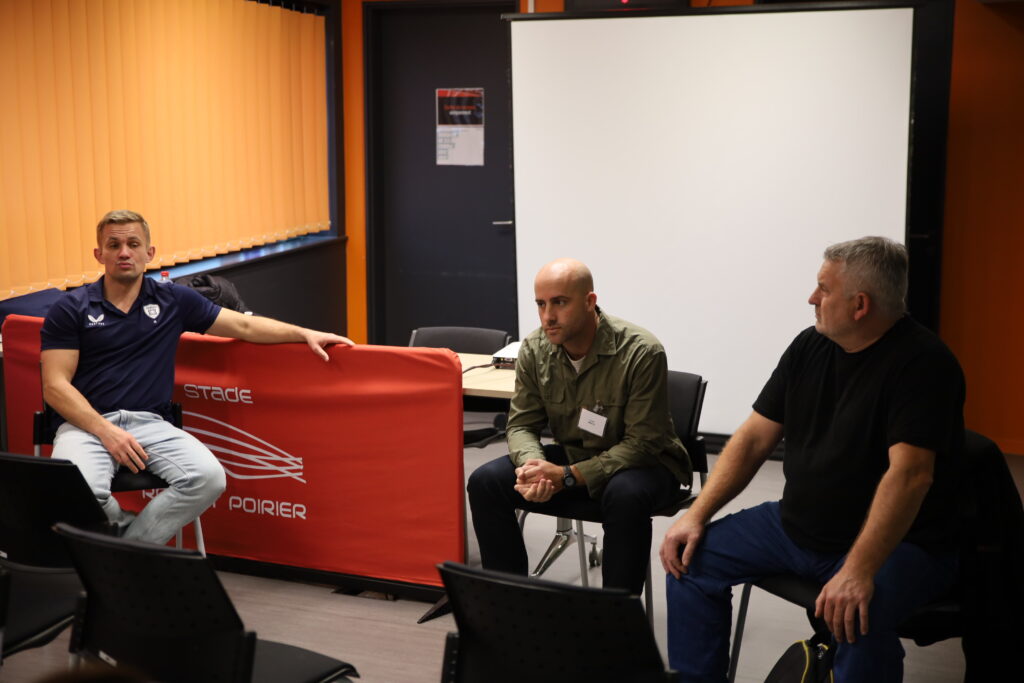
A roundtable discussion then brought together Jacques Prioux, Frank Imbach, and Simon Boisbluche, combining a debate on training load monitoring with audience interaction.

To close the day, speakers and participants gathered for a gala evening, offering a great opportunity for networking and, hopefully, the emergence of future collaborations.

FRIDAY, NOVEMBER 6:

For this final day, participants attended several equipment demonstrations by industry professionals.

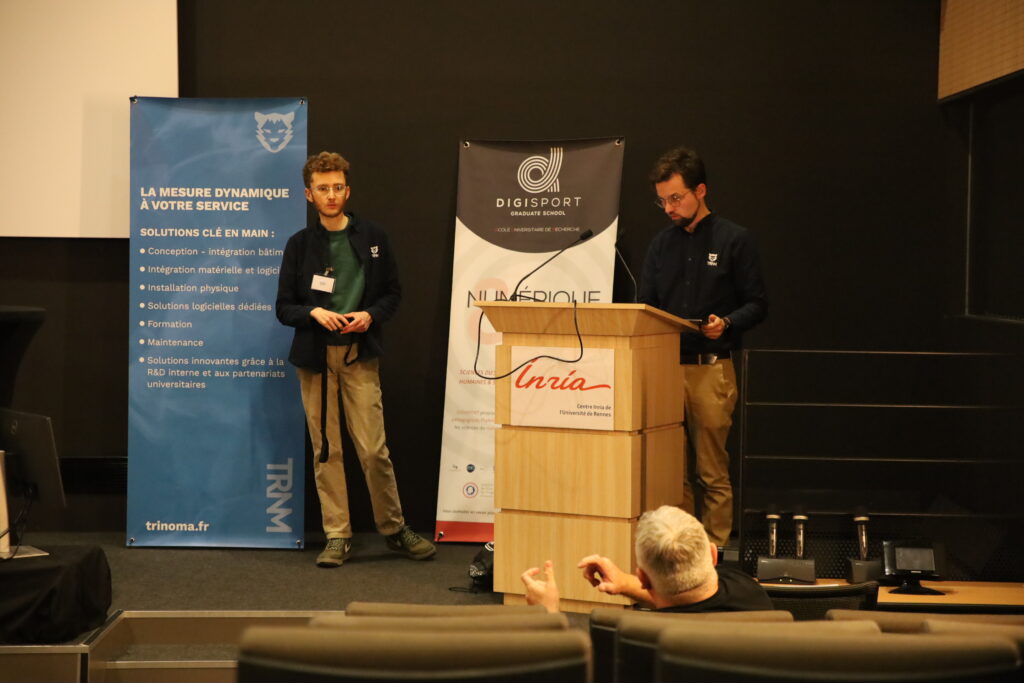
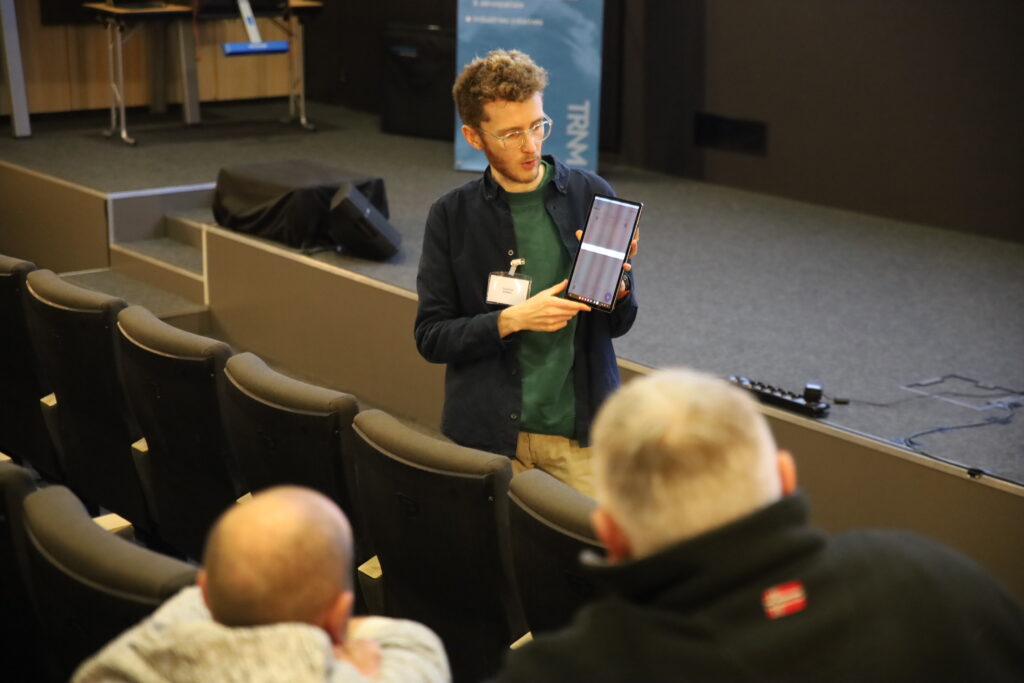
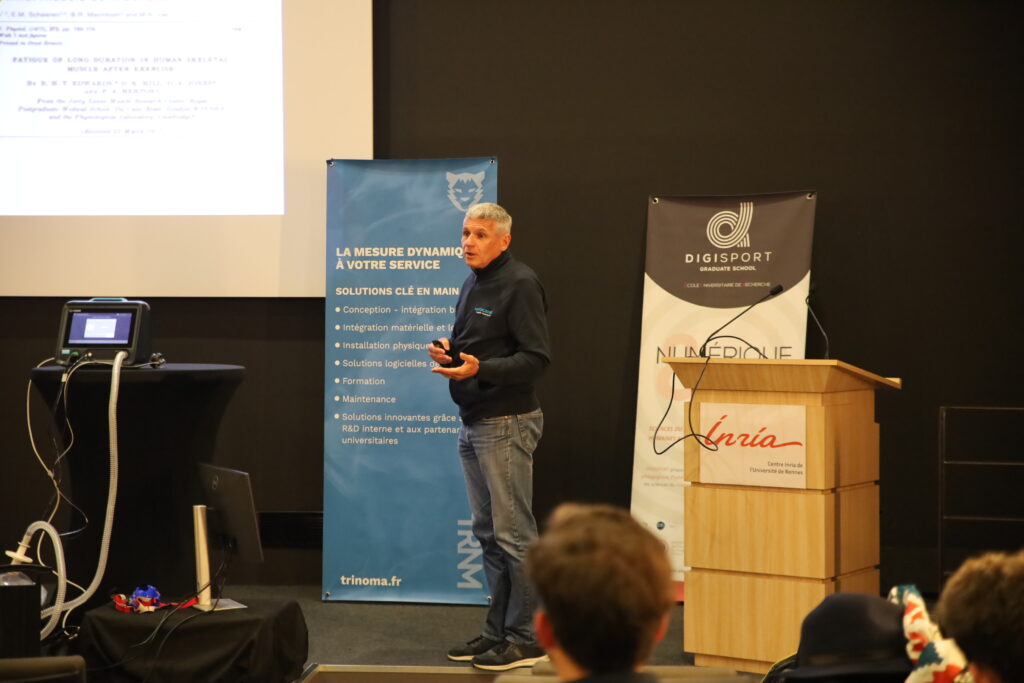
First, Victor Brossard and Gauthier Rispal from TRINOMA presented Trinomove, a tool designed to measure and interpret a runner’s biomechanics and training load in the field, allowing for concrete adjustments to their practice in real-world conditions.

Next, Pascal Léost from MYOCENE presented their solution for objectively quantifying muscle fatigue and recovery, thereby providing decision-making support regarding training load.

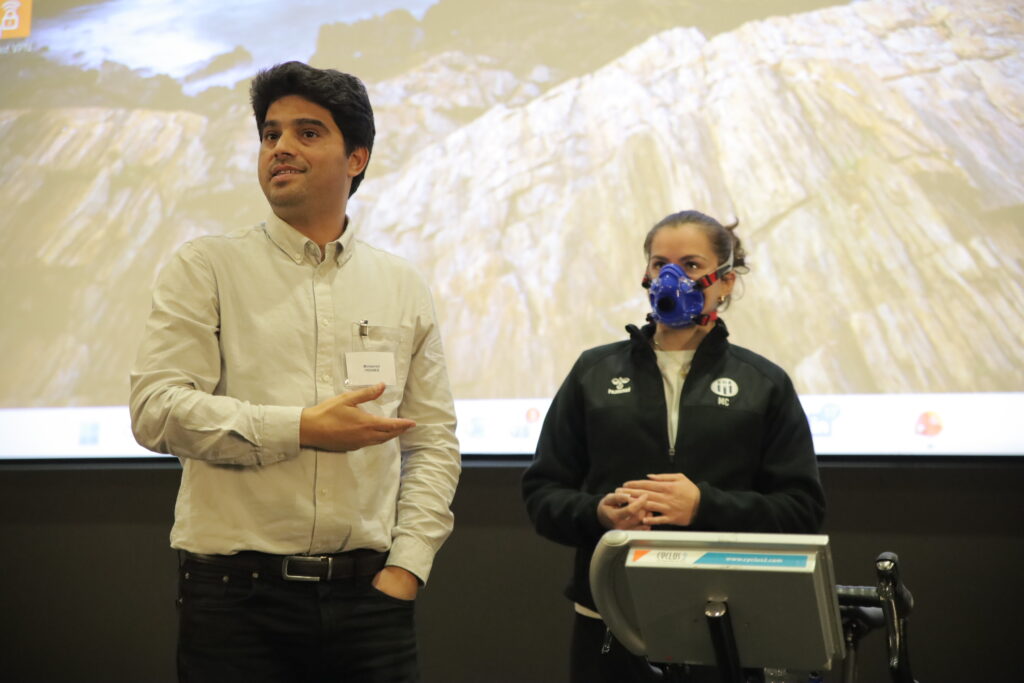
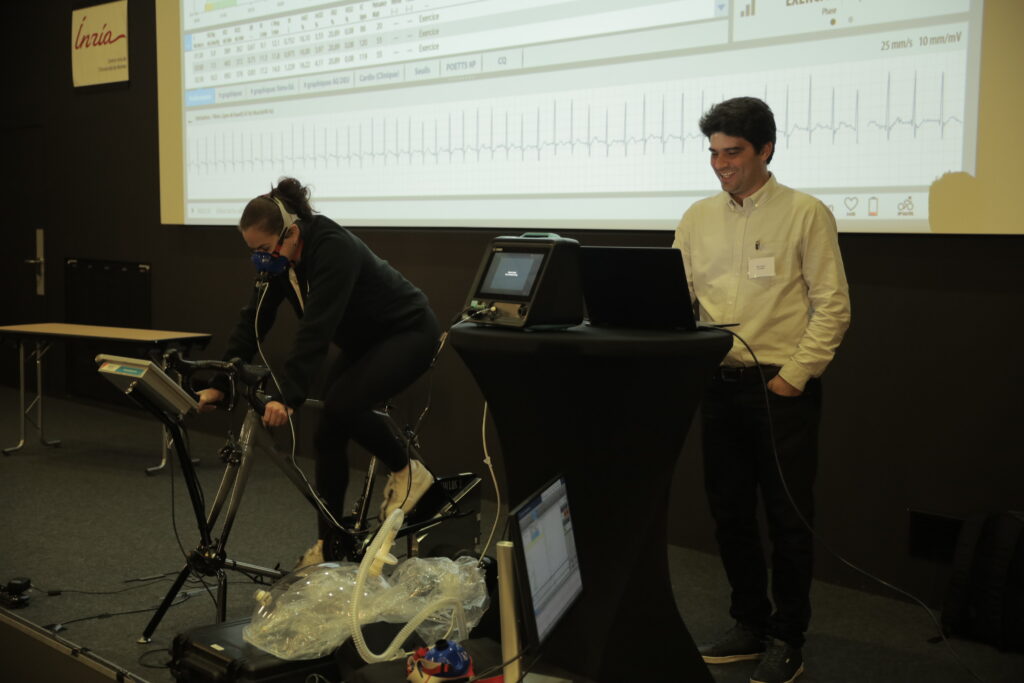
To conclude this edition, Mohamed Younes from COSMED led a live VO2max workshop using the Q-NRG Max, a cutting-edge technology tailored for athletes to optimize their training load.

The entire DIGISPORT team warmly thanks all the speakers and participants who contributed to the success of this event.

We look forward to seeing many of you again next year for a new edition!

Follow us on our social media


FOCUS ON TECHNOLOGICAL INNOVATION AT THE 2026 DIGISPORT WINTER SCHOOL

Friday, November 6th will conclude this 3rd edition with a day 100% dedicated to cutting-edge equipment for training load monitoring.

For the occasion, we will have the pleasure of welcoming three innovative companies who will present their solutions and discuss them with you:

TRINOMA with Gauthier Rispal and Victor Brossard.
“Trinomove: from running biomechanics to training load — measuring, interpreting, and acting in ecological conditions. When customer needs become on-field realities.”

MYOCENE with Pascal Léost.
“From training load to neuromuscular response: objectifying fatigue and recovery with Myocène.”

COSMED – The Metabolic Company with Mohamed Younes.
“VO₂max Workshop: QNRG Max, technology tailored for athletes.”

Only about ten days left to register for the DIGISPORT Winter School, from November 4 to 6, 2026 in Rennes.

Don’t delay, reserve your spot here ➡️https://lnkd.in/efqhYDr2

Follow us on our social media


FULL PROGRAM FOR THE 2026 DIGISPORT WINTER SCHOOL

𝐓𝐡𝐞 𝐟𝐮𝐥𝐥 𝐩𝐫𝐨𝐠𝐫𝐚𝐦 𝐟𝐨𝐫 𝐭𝐡𝐞 𝐃𝐈𝐆𝐈𝐒𝐏𝐎𝐑𝐓 𝐖𝐢𝐧𝐭𝐞𝐫 𝐒𝐜𝐡𝐨𝐨𝐥 𝟐𝟎𝟐𝟔 𝐢𝐬 𝐧𝐨𝐰 𝐚𝐯𝐚𝐢𝐥𝐚𝐛𝐥𝐞!

From November 4th to 6th, join us for three days of plenary sessions dedicated to training load monitoring, illustrated with concrete examples and practical case studies. You will have the opportunity to interact directly with speakers and fellow attendees while discovering the latest hardware innovations presented by specialized companies.

You will also enjoy a gala dinner on Thursday evening—the ideal setting to deepen discussions and spark new collaborative projects;

Register now via the following link ➡️ https://lnkd.in/efqhYDr2

Follow us on our social media


DIGISPORT 2026 WINTER SCHOOL: SPEAKERS ANNOUNCEMENTS #6

Simon Boisbluche will be the sixth and final speaker at the DIGISPORT 2026 Winter School. As Head of Performance at Rugby Club Vannes, he will divide his presentation into two parts: first, monitoring training load within the club, followed by the practical, day-to-day integration of these data points on the pitch.

Registration link for the Winter School, from November 4 to 6, 2026 in Rennes ➡️ https://lnkd.in/edbxi7Ci

Follow us on our social media

DIGISPORT 2026 WINTER SCHOOL: SPEAKERS ANNOUNCEMENTS #5

Laurent Bosquet, associate professor at the University of Poitiers, is the fifth speaker at the DIGISPORT Winter School. He will give a lecture entitled: “To peak on the competition day”

The objective of his presentation will be to provide the essential elements needed to build one’s own tapering strategy, and subsequently optimize it. The first part will review the theoretical knowledge derived from scientific literature. The second part will focus on the key variables that need to be monitored in order to individualize and then optimize the initial strategy. He will place special emphasis on estimating fatigue levels right before the tapering period, which is one of the key factors for achieving peak performance.

Registration link for the Winter School, from November 4 to 6, 2026 in Rennes ➡️ https://lnkd.in/edbxi7Ci

Follow us on our social media


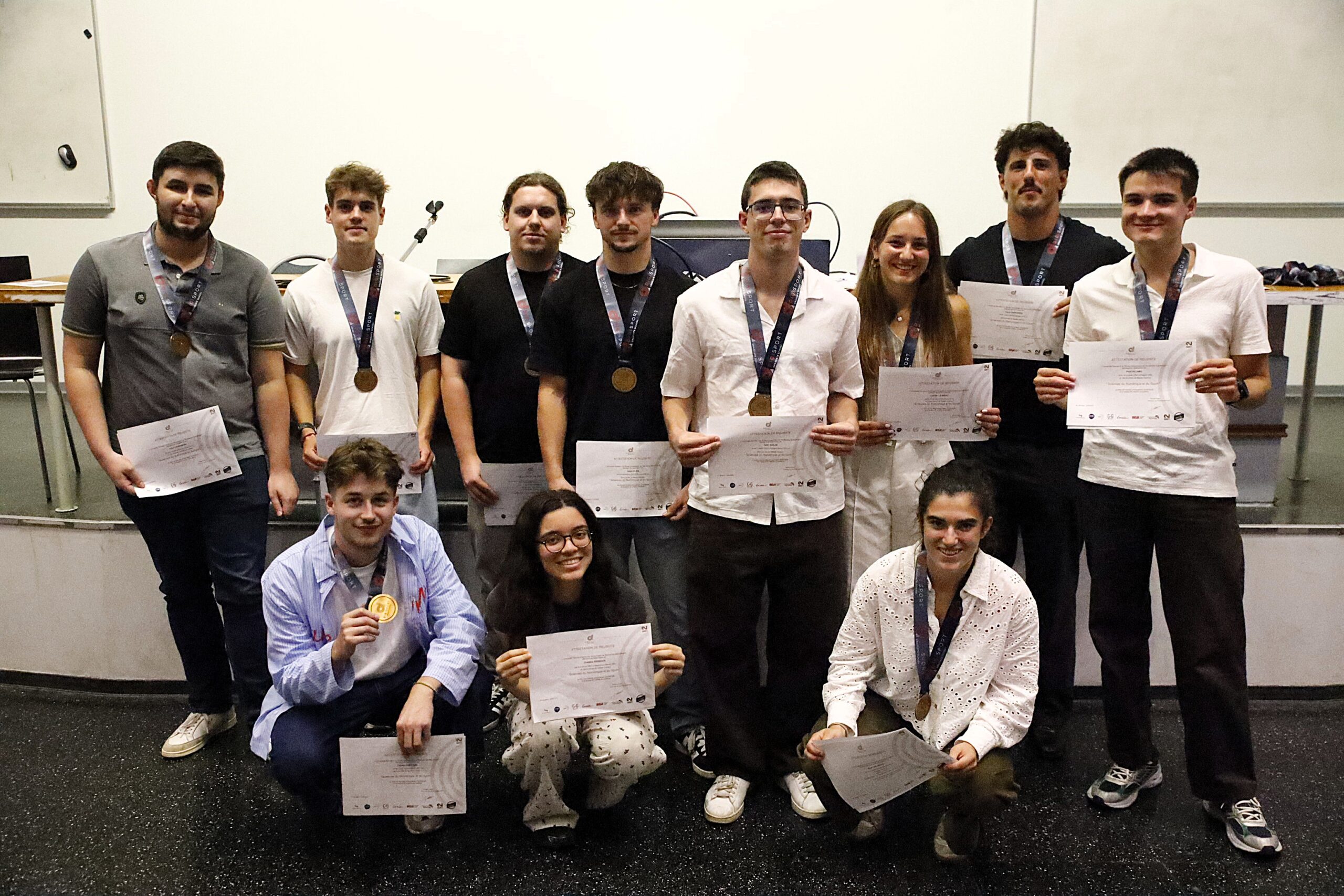
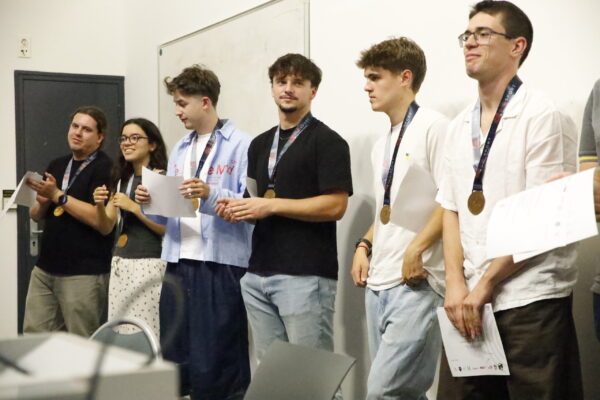
GRADUATION CEREMONY 2026

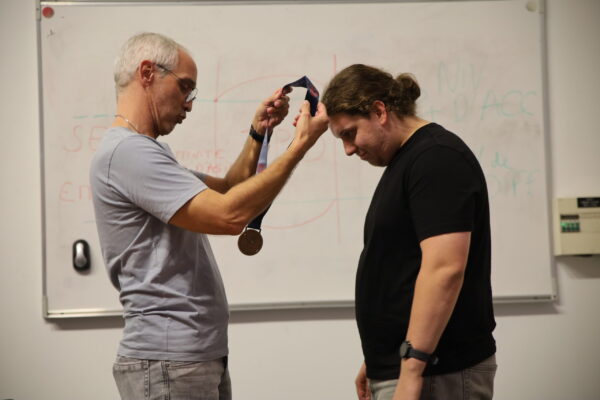
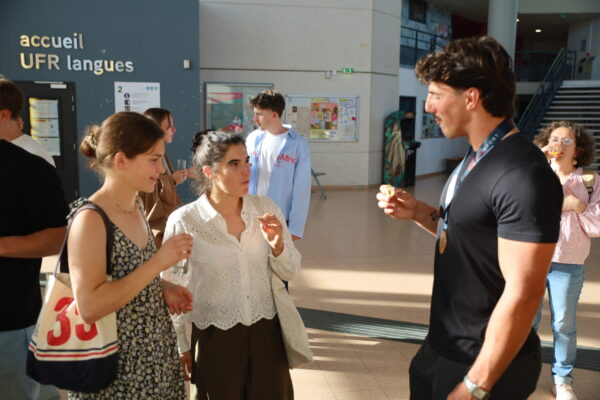
This Thursday, September 24, 2026, the graduation ceremony took place for our 2024–2026 class of the Master’s in Digital Sport Sciences!

The students received their diplomas along with a medal recognizing all the hard work accomplished over the past two years in our program.

The entire DIGISPORT team is proud of their achievements and wishes them the very best in their future projects, not forgetting those who were unable to attend the evening.

Follow us on our social media


DIGISPORT 2026 WINTER SCHOOL: SPEAKERS ANNOUNCEMENTS #4

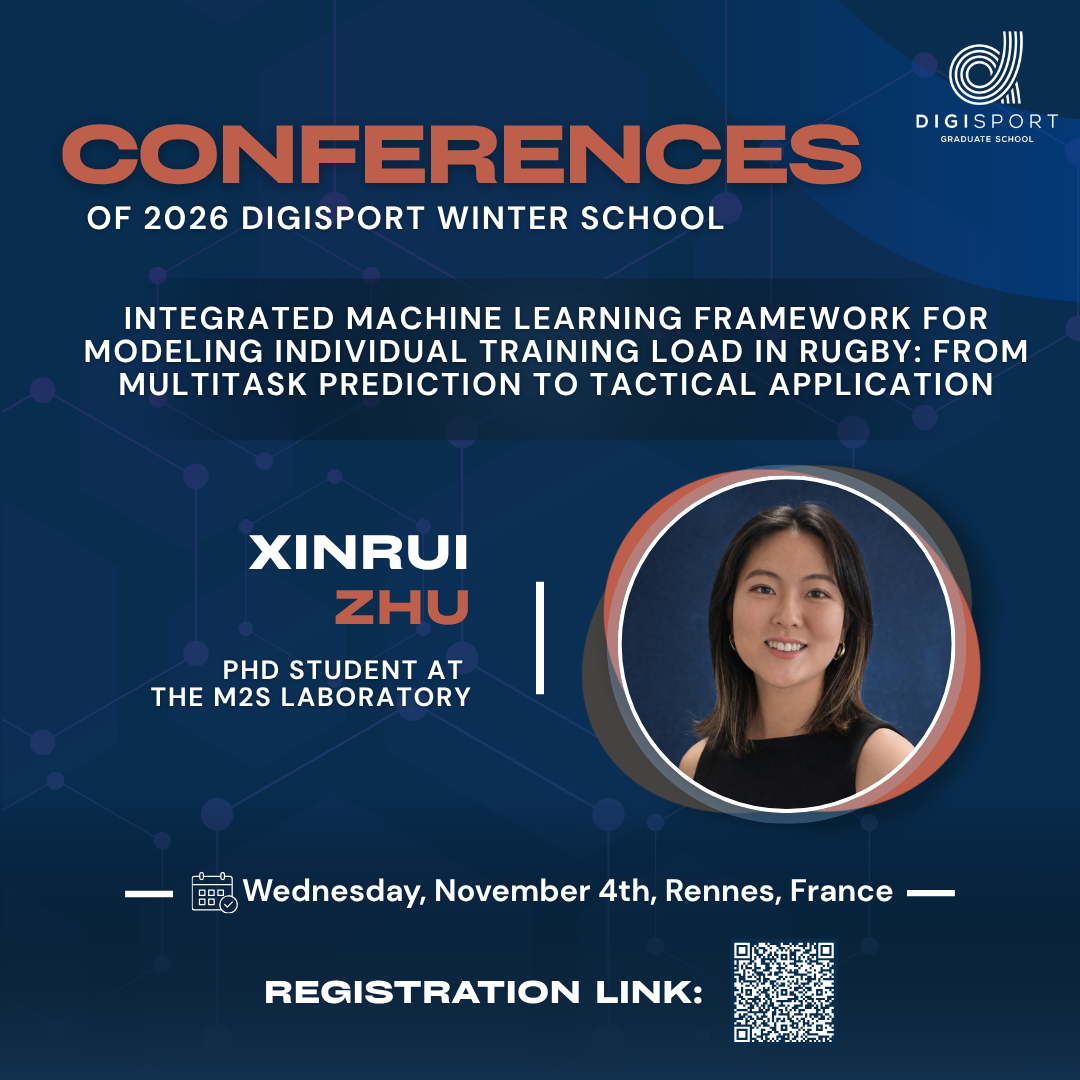
Xinrui Zhu, a PhD student at the École normale supérieure de Rennes within the M2S Lab, is the fourth speaker for this third edition. She will present a conference entitled “Integrated machine learning framework for modeling individual training load in rugby: from multitask prediction to tactical application”.

She will discuss a data-driven approach to monitoring training load and physical performance in professional rugby players. Using longitudinal GPS, heart rate variability (HRV), and wellness data collected during a French professional rugby season, she will demonstrate how statistical and machine learning methods can be used to integrate external and internal load indicators and assess their contribution to predicting subsequent physical performance.

Registration link for the Winter School, from November 4 to 6, 2026 in Rennes ➡️ https://lnkd.in/edbxi7Ci

Follow us on our social media


DIGISPORT 2026 WINTER SCHOOL: SPEAKERS ANNOUNCEMENTS #3

Frank Imbach is the third speaker at the DIGISPORT Winter School! He will give a presentation on the benefits and limitations of using artificial intelligence to model dose-response relationships between training load, performance, and injuries.

His research activities lie at the intersection of sports science, modeling, and data science. He is particularly interested in modeling the relationships between training load, induced adaptations, and performance, favoring multidimensional and systemic approaches using statistical and machine learning methods.

Alongside his scientific activities, he works in an industrial environment as Head of Innovation & Business Development for SEENOVATE. This dual perspective allows him to approach artificial intelligence both from the angle of its methodological contributions and limitations for modeling complex phenomena, and from that of the design and industrialization of innovative solutions applied to the sports ecosystem.

Registration link for the Winter School, from November 4 to 6, 2026 in Rennes ➡️ https://lnkd.in/edbxi7Ci

Follow us on our social media


DIGISPORT 2026 WINTER SCHOOL: SPEAKERS ANNOUNCEMENTS #2

Jacques Prioux, University Professor at the École normale supérieure de Rennes—where he directed the “Sport Sciences and Physical Education” department for 14 years—will introduce this third edition with a presentation on defining the concept of training load alongside its measurement and analysis methods.

He will present his research, which aims to study this concept in elite male and female athletes using sensors (GPS, LPS, inertial measurement units, heart rate monitors, etc.) and questionnaires (Hooper, RPE, etc.). In recent years, he has been using artificial intelligence models to try to model the effects of training load on performance and injuries.

Registration link for the Winter School, from November 4 to 6, 2026 in Rennes ➡️ https://lnkd.in/edbxi7Ci

Follow us on our social media


DIGISPORT 2026 WINTER SCHOOL: SPEAKERS ANNOUNCEMENTS #1

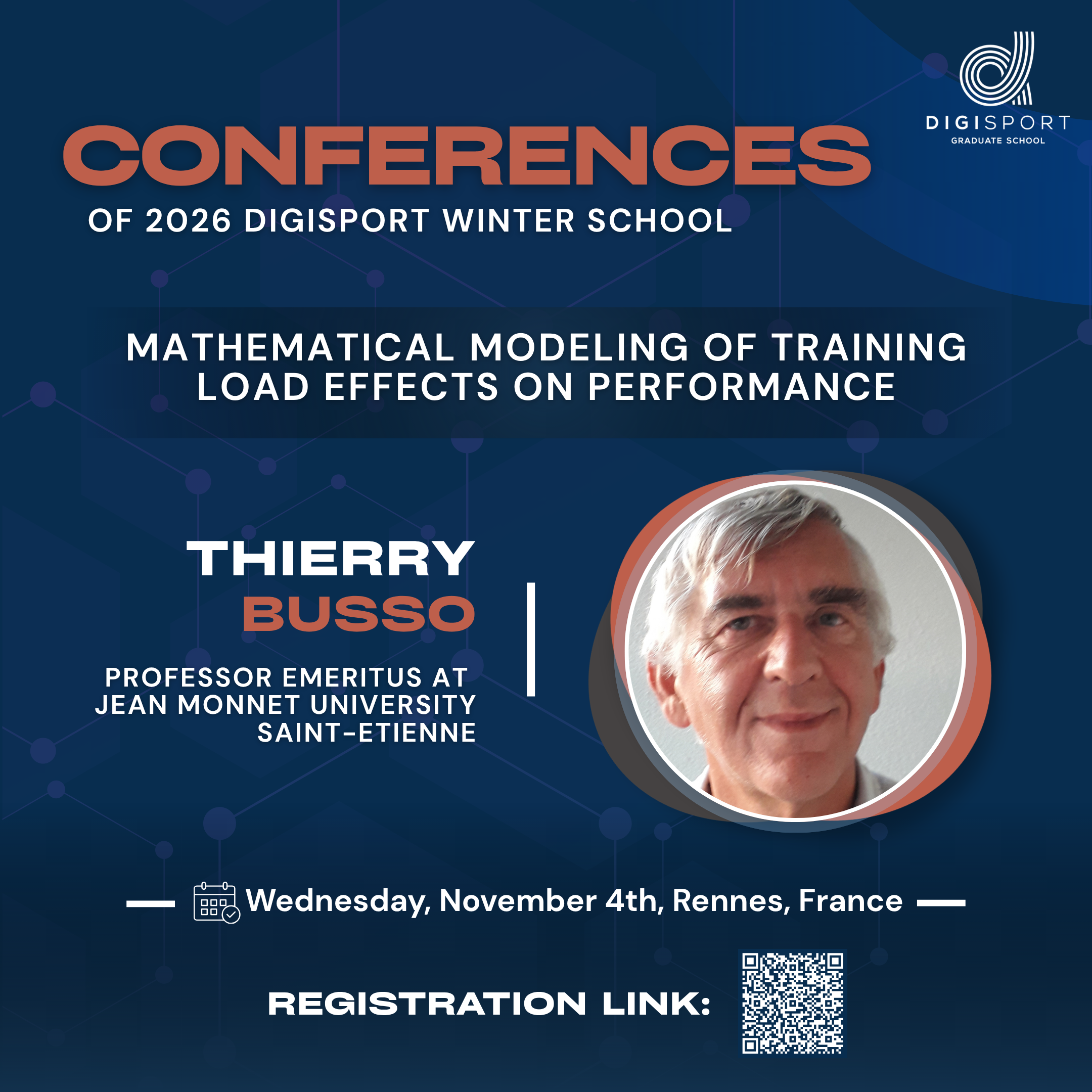
Thierry Busso, Professor Emeritus at Jean Monnet University Saint-Etienne, will deliver a lecture on the mathematical modeling of training load effects on performance. The core theme of his research is modeling physiological responses to exercise and training, specifically to describe and predict the dose-response relationship of training loads on athletic performance. His presentation will focus on various models derived from Banister’s model, which enables the analysis of training effects on performance. It will cover the optimization of the tapering period prior to a competition and the ability of these models to predict performance evolution across different training cycles. The limitations of this type of modeling will be presented in order to discuss its potential use for practical applications aimed at guiding a coach in building and adjusting their athletes’ training program. Registration link for the Winter School, from November 4 to 6, 2026 in Rennes ➡️ https://lnkd.in/edbxi7Ci

Follow us on our social media