
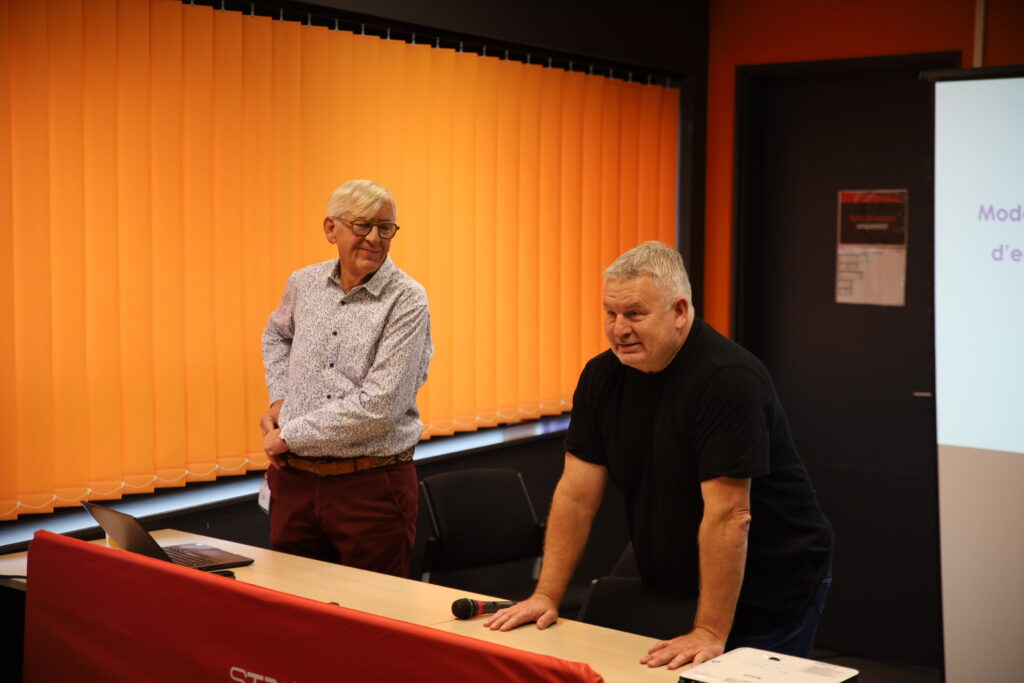
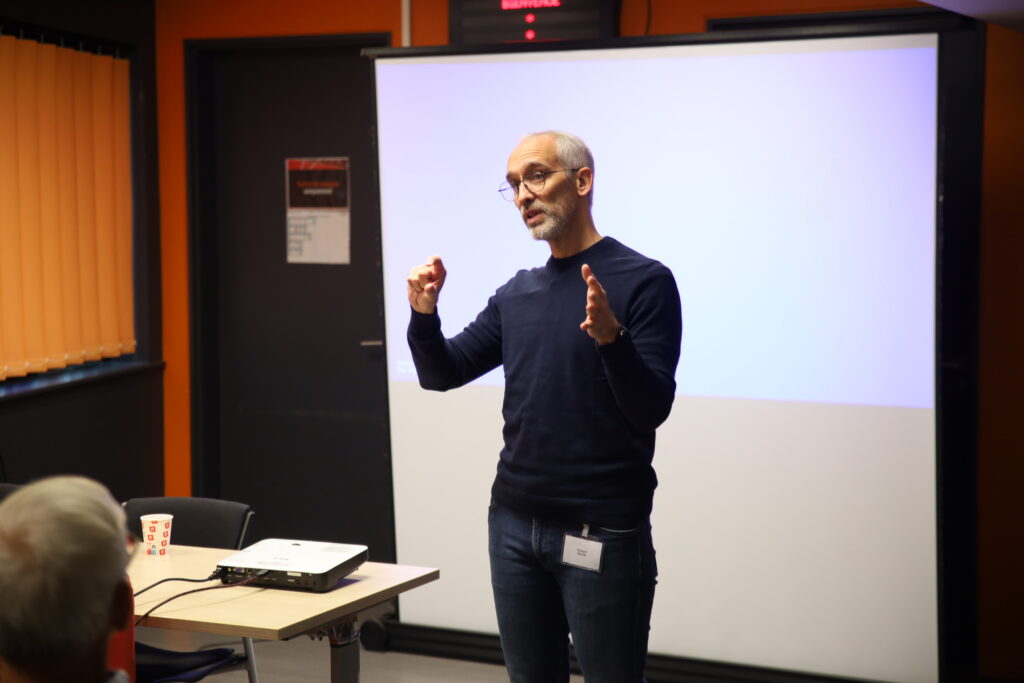
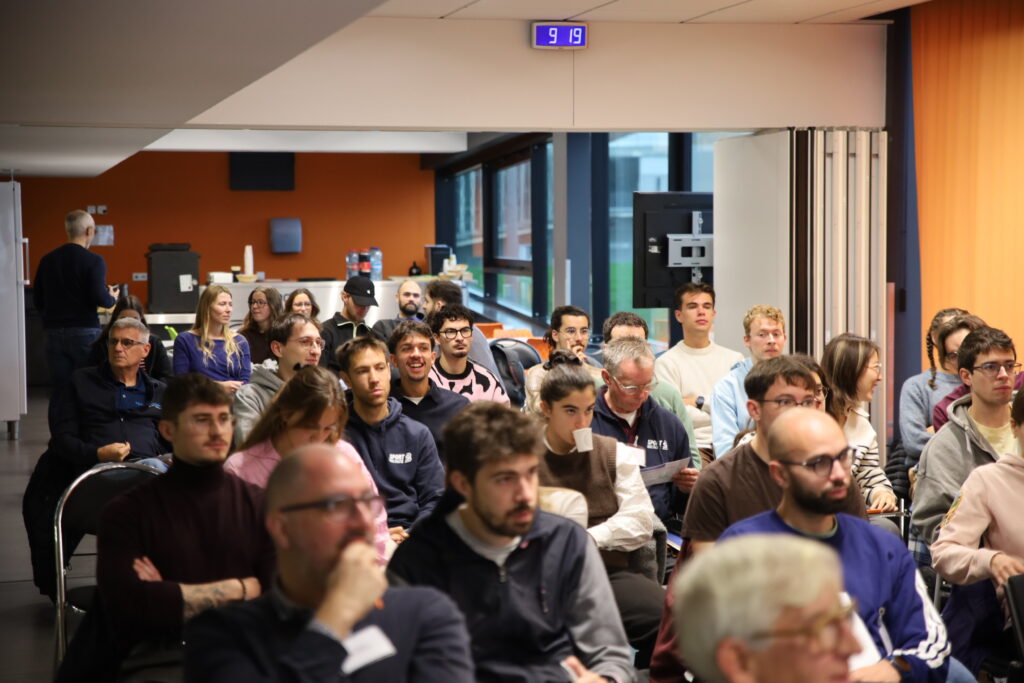
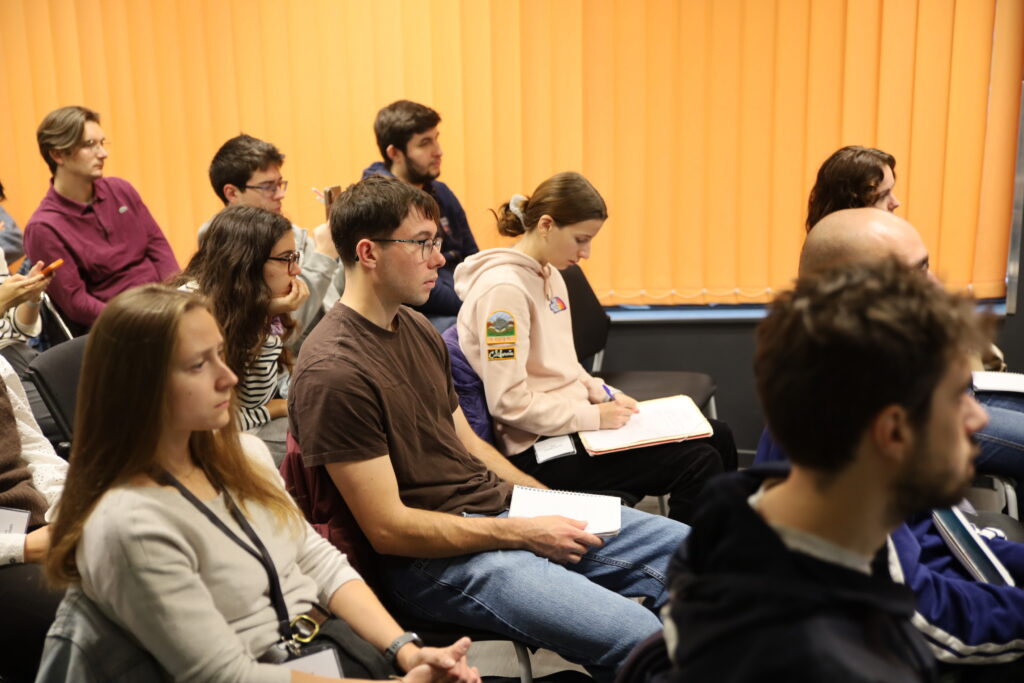
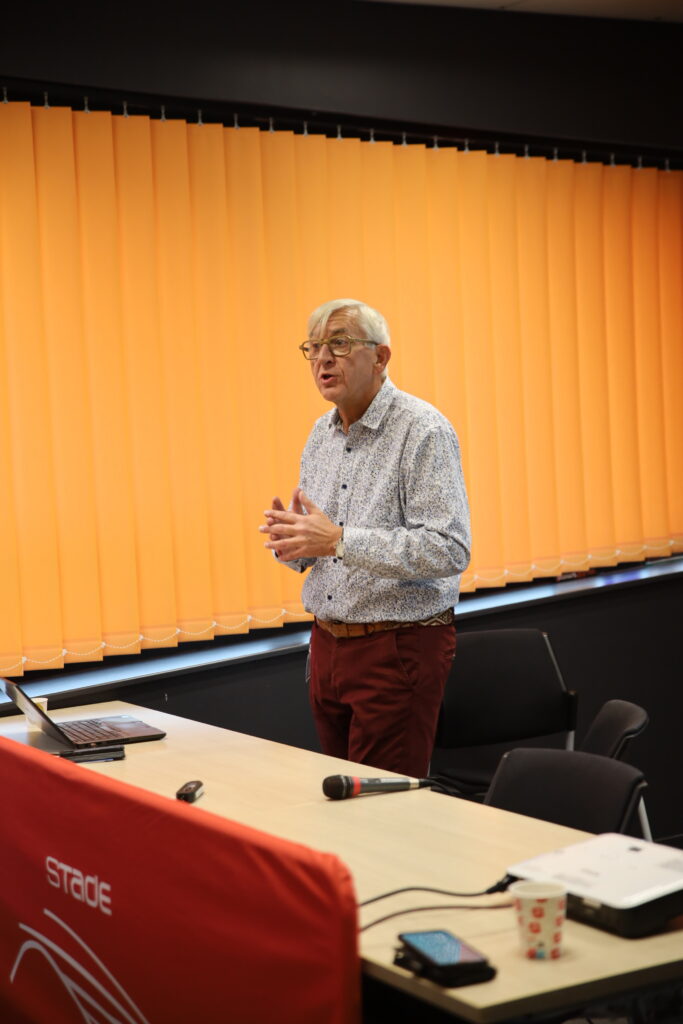
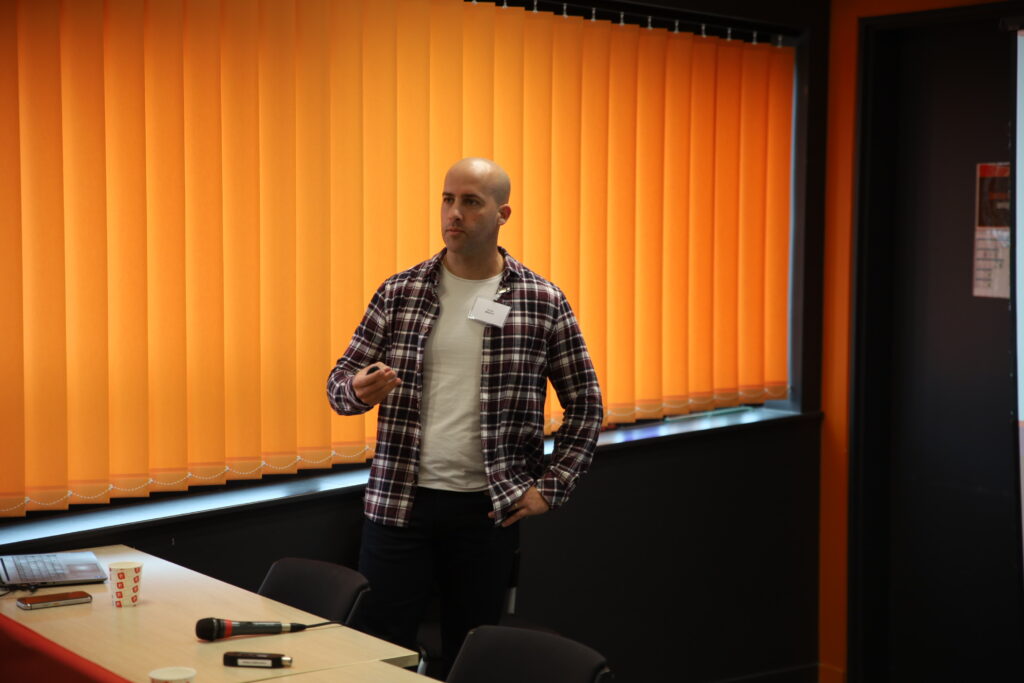
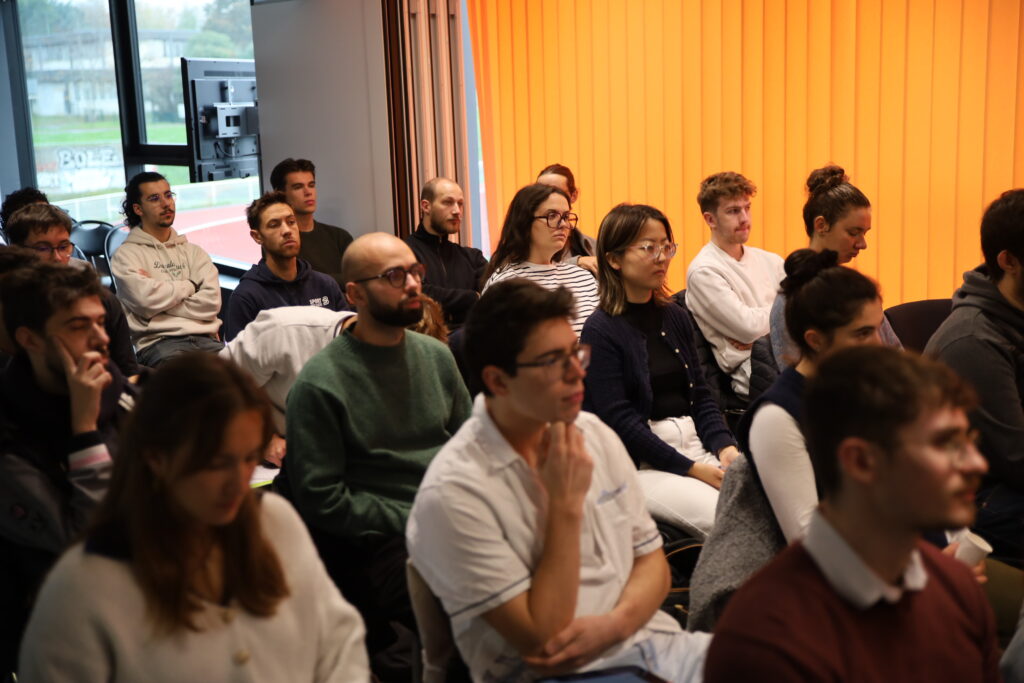
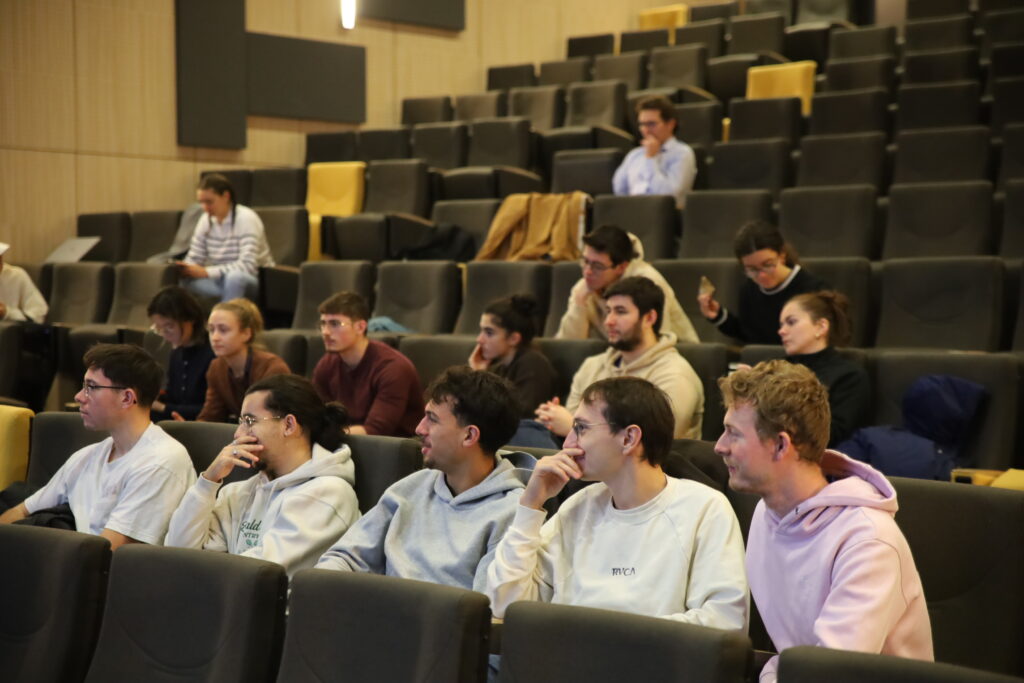
From November 4 to 6, the third edition of the DIGISPORT Winter School took place, focusing on the theme of training load monitoring.
WEDNESDAY, NOVEMBER 4:
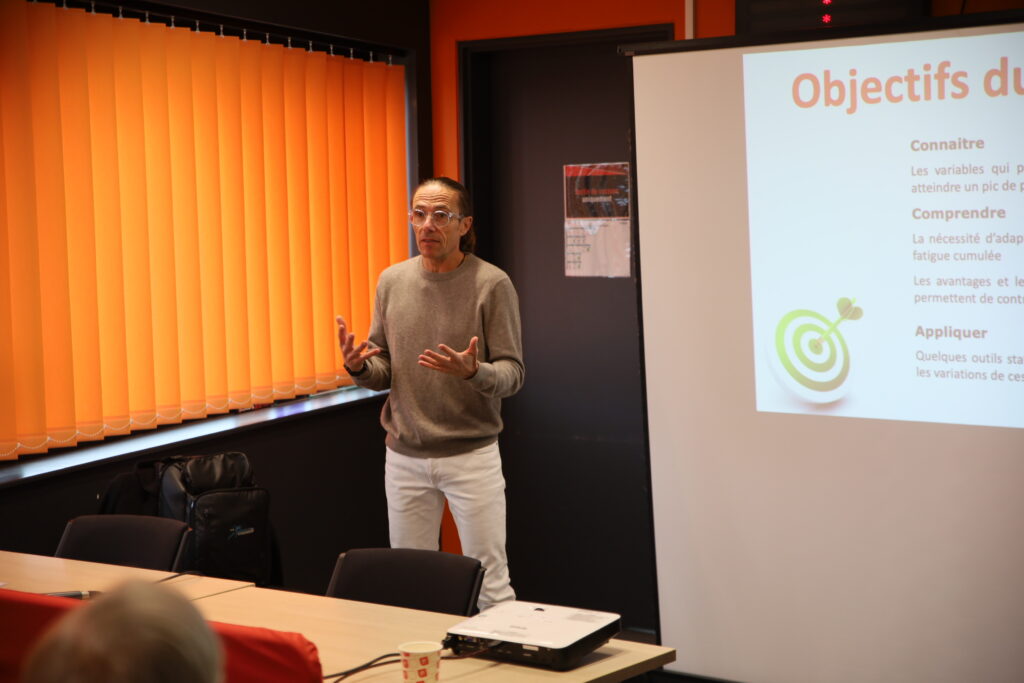
The first day opened with a brief presentation of EUR DIGISPORT by its head, Richard Kulpa. This was followed by a talk from Jacques Prioux, co-organizer of this Winter School alongside the DIGISPORT team. He laid the theoretical foundations for this edition by clarifying the concept of training load, while detailing current methods for measuring, quantifying, and analyzing it in the field.
A specialist in the dose-response relationship, Thierry Busso then explored mathematical approaches derived from the Banister model to predict performance, optimize pre-competition tapering, and adjust programming, while also highlighting the practical limitations of these tools for coaches.
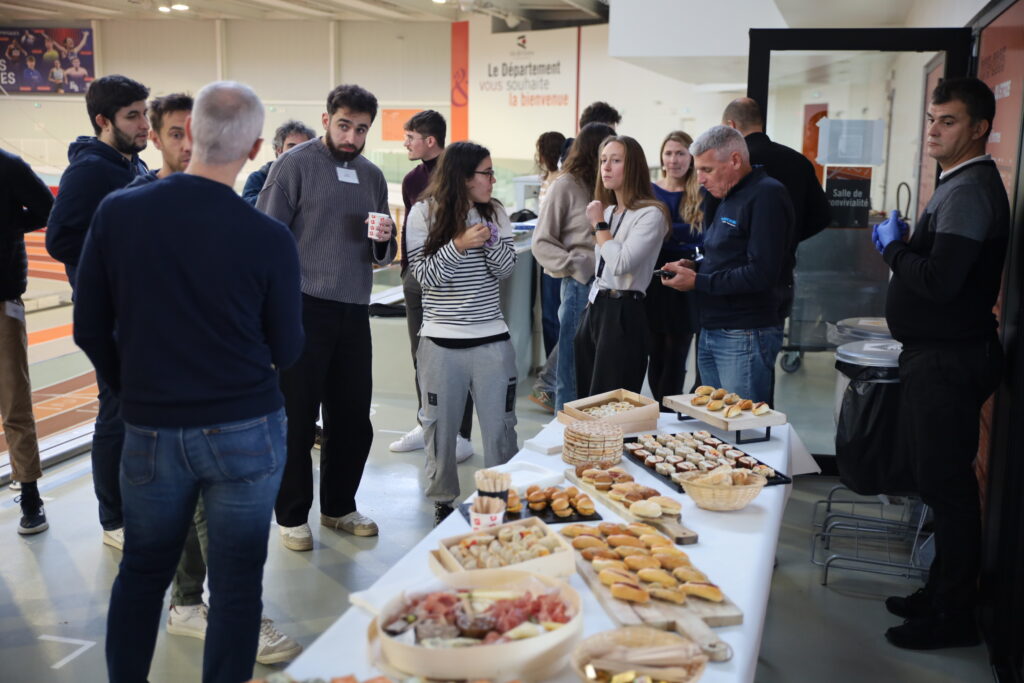
Following a buffet lunch that sparked great discussions, the afternoon began with a presentation by Frank Imbach on the contribution of AI in modeling dose-response relationships. This provided a welcome perspective on both the strengths and the methodological barriers of AI applied to performance tracking and injury risk.
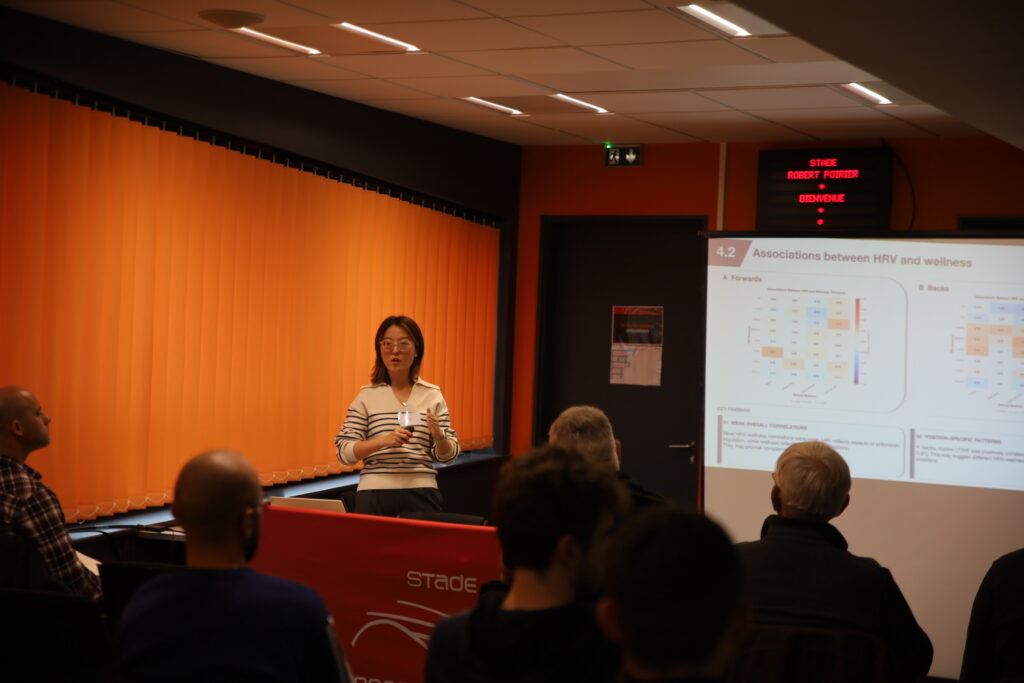
To conclude the day, Xinrui Zhu shared work on the integration of internal and external loads (GPS, HRV, wellness questionnaires) using machine learning. This showcased a practical, data-driven approach conducted over a full season to anticipate the physical evolution of players.
THURSDAY, NOVEMBER 5:
The second day kicked off with a talk by Laurent Bosquet, who provided the keys to designing and optimizing a personalized tapering strategy. He relied on scientific data and essential control variables, particularly the precise assessment of pre-taper fatigue to target optimal peak performance.
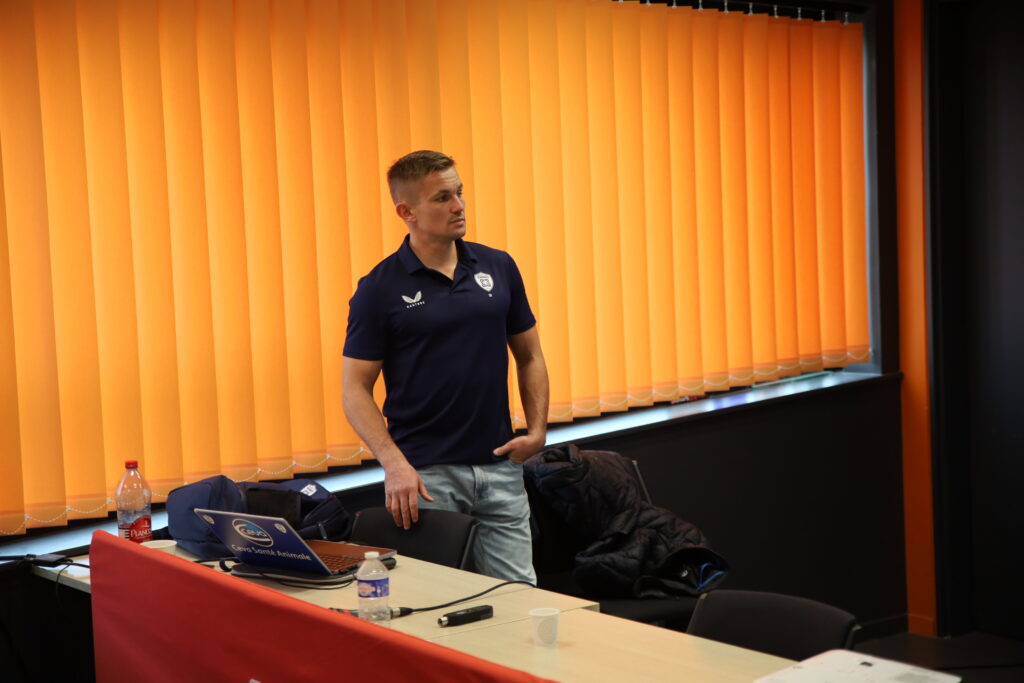
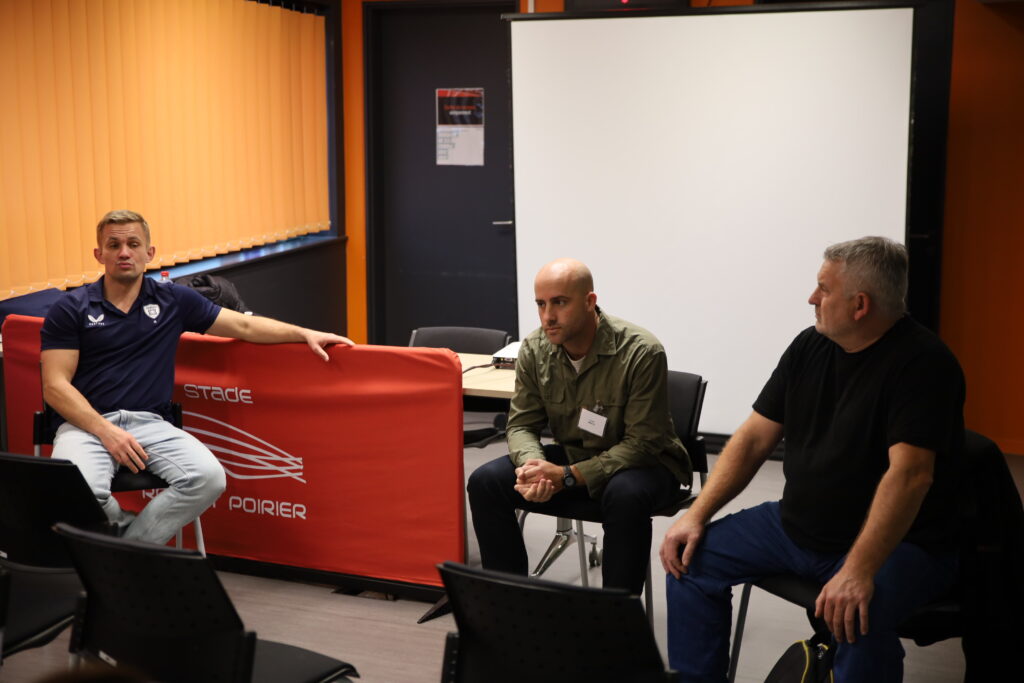
After a time for networking and socializing, Simon Boisbluche opened the afternoon with a lecture dedicated to training load monitoring within the Rugby Club Vannes, as well as the practical, daily integration of these data on the pitch.
A roundtable discussion then brought together Jacques Prioux, Frank Imbach, and Simon Boisbluche, combining a debate on training load monitoring with audience interaction.
To close the day, speakers and participants gathered for a gala evening, offering a great opportunity for networking and, hopefully, the emergence of future collaborations.
FRIDAY, NOVEMBER 6:
For this final day, participants attended several equipment demonstrations by industry professionals.
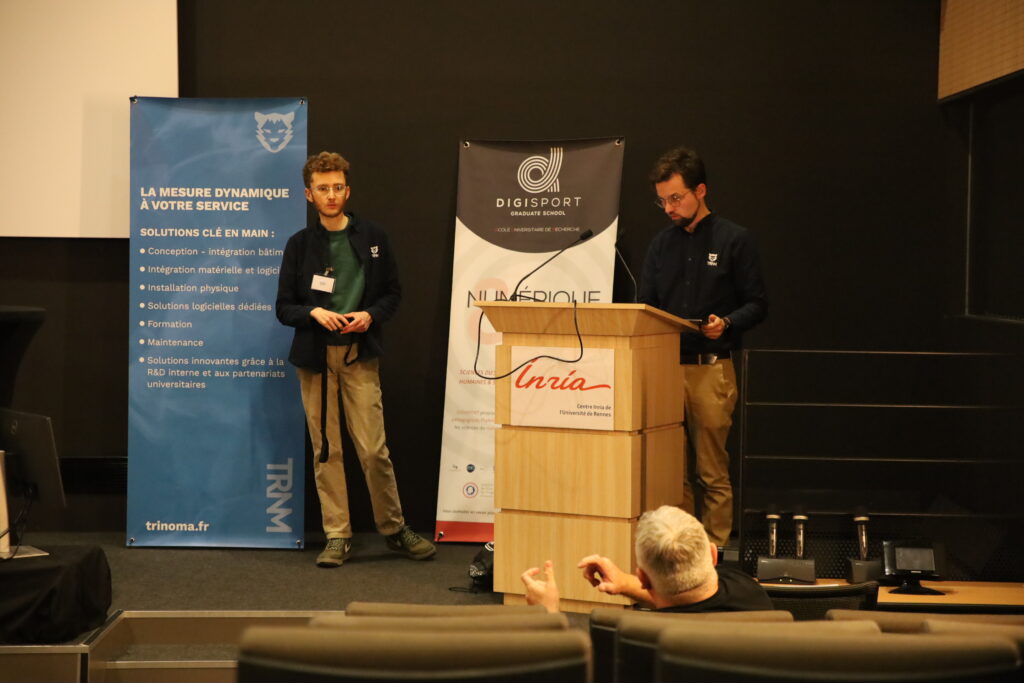
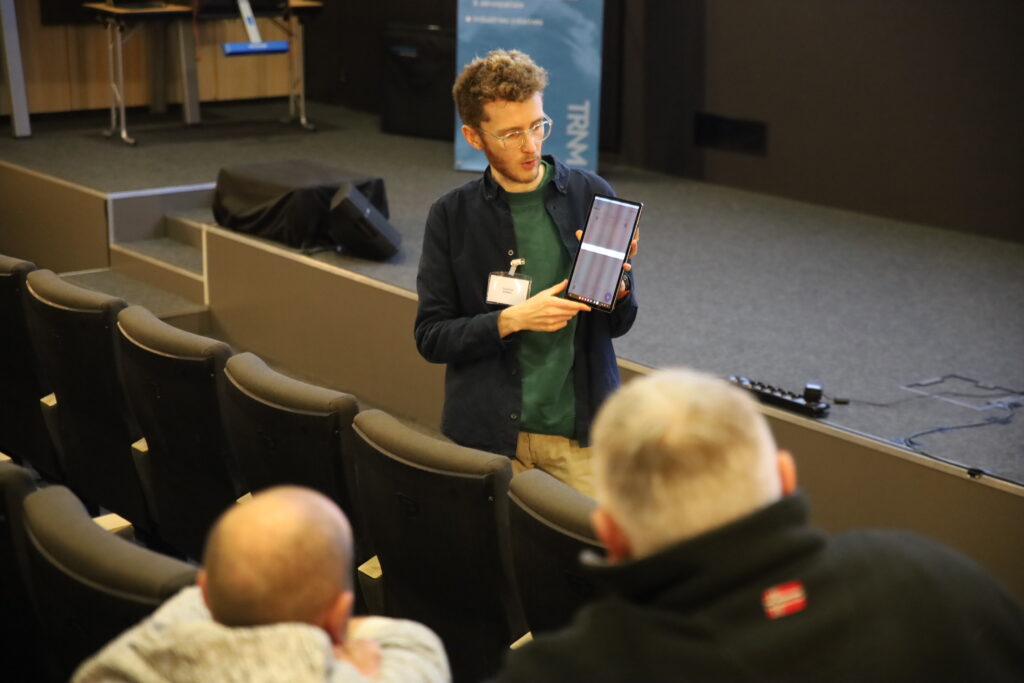
First, Victor Brossard and Gauthier Rispal from TRINOMA presented Trinomove, a tool designed to measure and interpret a runner’s biomechanics and training load in the field, allowing for concrete adjustments to their practice in real-world conditions.
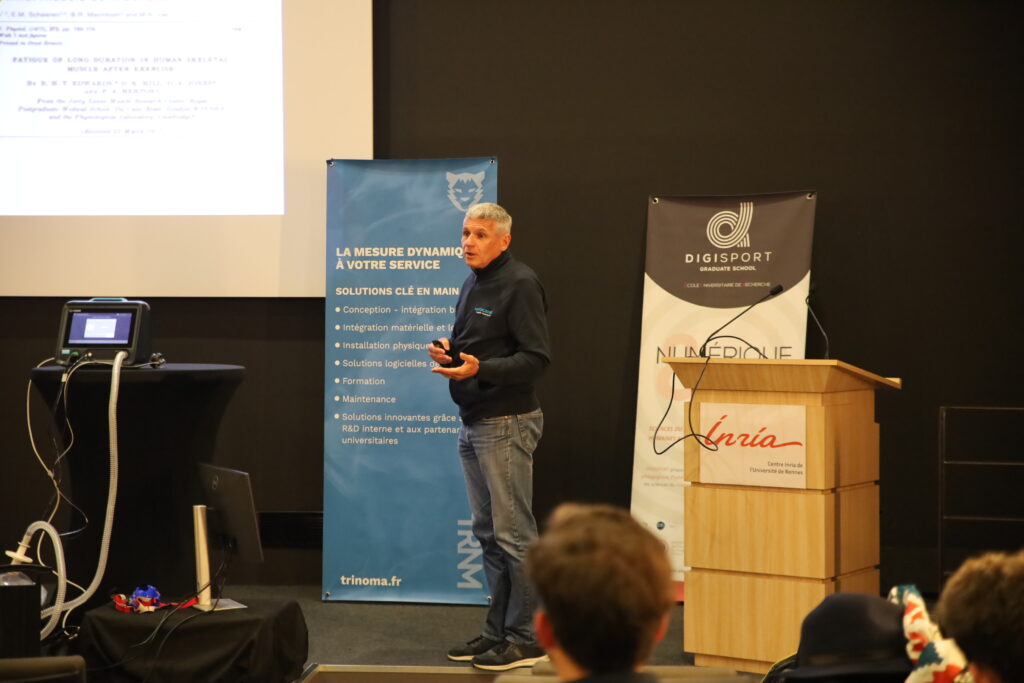
Next, Pascal Léost from MYOCENE presented their solution for objectively quantifying muscle fatigue and recovery, thereby providing decision-making support regarding training load.
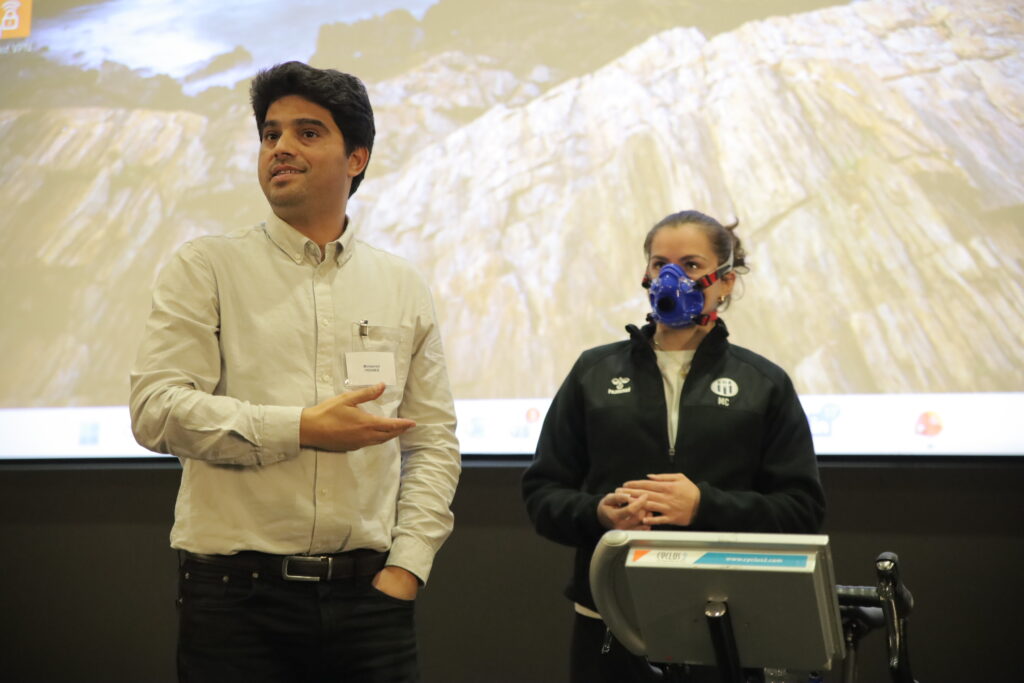
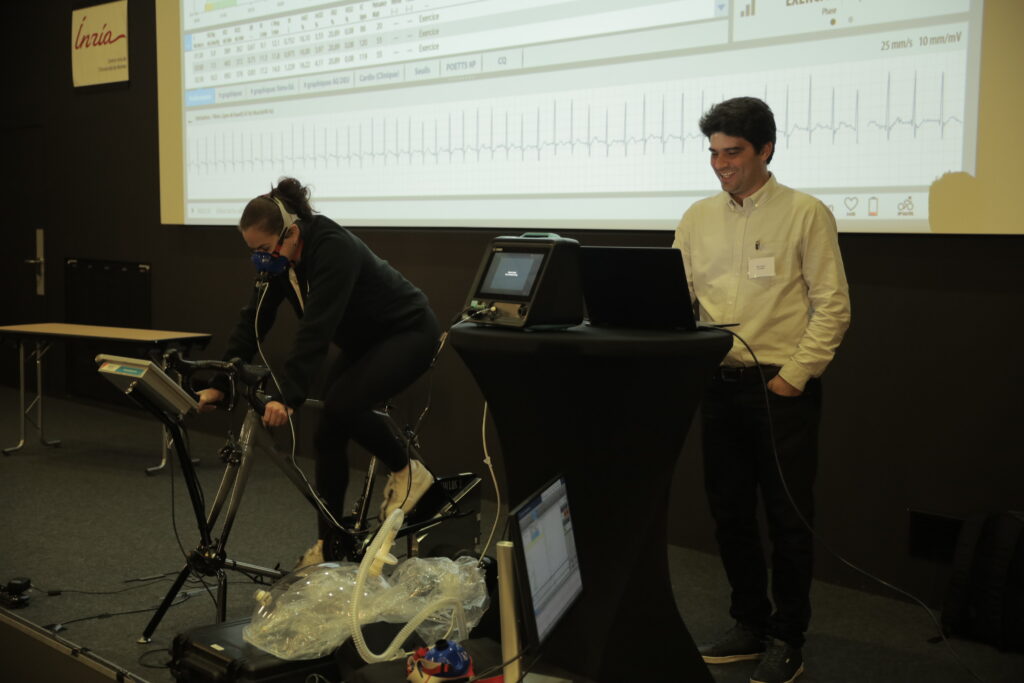
To conclude this edition, Mohamed Younes from COSMED led a live VO2max workshop using the Q-NRG Max, a cutting-edge technology tailored for athletes to optimize their training load.
The entire DIGISPORT team warmly thanks all the speakers and participants who contributed to the success of this event.
We look forward to seeing many of you again next year for a new edition!


